



If you’re an active person dealing with persistent shoulder pain, whether from arthritis, a long-standing rotator cuff problem, or an old injury that never quite healed, the idea of shoulder replacement can feel daunting. You might wonder: Can I still be active after surgery? Will I lose the lifestyle I’ve worked so hard to maintain? These are some of the most common questions I hear in my practice, and they’re worth taking the time to answer carefully.
The good news is that modern shoulder replacement options in active patients have evolved significantly, and for the right patient, surgery may make it possible to return to many of the activities they love. Understanding your options is the first step toward making a confident, informed decision.
Key Takeaways
- Shoulder replacement in active patients requires careful consideration of age, activity level, rotator cuff health, and the severity of joint damage.
- There are multiple surgical options available, including anatomic total shoulder replacement, reverse total shoulder replacement, and newer stemless implant designs.
- The right choice depends on the individual’s anatomy, diagnosis, and personal goals. There is no one-size-fits-all approach.
- Many active patients may be able to return to low-impact activities like swimming, cycling, and golf after a full recovery, though expectations should be discussed with your surgeon.
Why Active Patients Face Unique Considerations
Being active is generally a tremendous asset to your health. When it comes to shoulder replacement surgery, high activity levels do add a layer of complexity to the decision-making process. Implants, like any mechanical device, can experience wear over time. The greater the demands placed on a reconstructed joint, the more important it becomes to choose the right implant design and set realistic expectations for long-term activity.
This doesn’t always mean that active patients should avoid surgery. What it means is that the conversation between you and an experienced shoulder surgeon needs to be thorough, honest, and individualized.
Am I a Candidate for Shoulder Replacement?
Not everyone with shoulder pain is a candidate for joint replacement surgery. It is generally considered when conservative treatments, such as physical therapy, anti-inflammatory medications, corticosteroid injections, and activity modification, have not provided adequate, lasting relief.
The most common reason patients need shoulder replacement is osteoarthritis, where the protective cartilage cushioning the joint gradually wears away. Eventually this can lead to bone-on-bone contact, causing significant pain, stiffness, and loss of function. Other conditions that may lead to shoulder replacement include:
- Rheumatoid arthritis, an autoimmune condition that causes chronic joint inflammation and progressive cartilage loss
- Post-traumatic arthritis, which can develop after a significant shoulder injury, fracture, or dislocation damages the joint surfaces
- Cuff tear arthropathy, a type of arthritis that develops as a result of a large, long-standing rotator cuff tear combined with joint damage
- Avascular necrosis, a condition in which blood supply to the humeral head is disrupted, causing the bone to deteriorate
A thorough evaluation typically includes a review of your symptoms, a physical examination, and imaging to assess the extent of joint damage and the condition of surrounding soft tissue structures, particularly the rotator cuff.
What Are the Options? A Closer Look
When we talk about shoulder replacement in active patients, there isn’t a single procedure that fits every situation. Several different approaches exist, and the right one for you will depend on your diagnosis, the health of your rotator cuff, your bone quality, your age, and what you’re hoping to get back to doing. Let me walk you through the main options.
Anatomic Total Shoulder Replacement
Anatomic total shoulder replacement, also called total shoulder arthroplasty, is designed to closely recreate the natural anatomy of the shoulder joint. The damaged ball, known as the humeral head, is replaced with a smooth metal component. The worn socket, called the glenoid, is resurfaced with a plastic implant. Together, these components work to replicate the normal mechanics of the joint.
This approach tends to work well for patients who have intact, functional rotator cuff muscles. The rotator cuff plays a key role in keeping the ball centered within the socket during movement, and its health is essential to the long-term success of this type of replacement. For an active patient with well-preserved rotator cuff function and significant glenohumeral arthritis, anatomic total shoulder replacement may help improve pain and restore shoulder motion and strength.
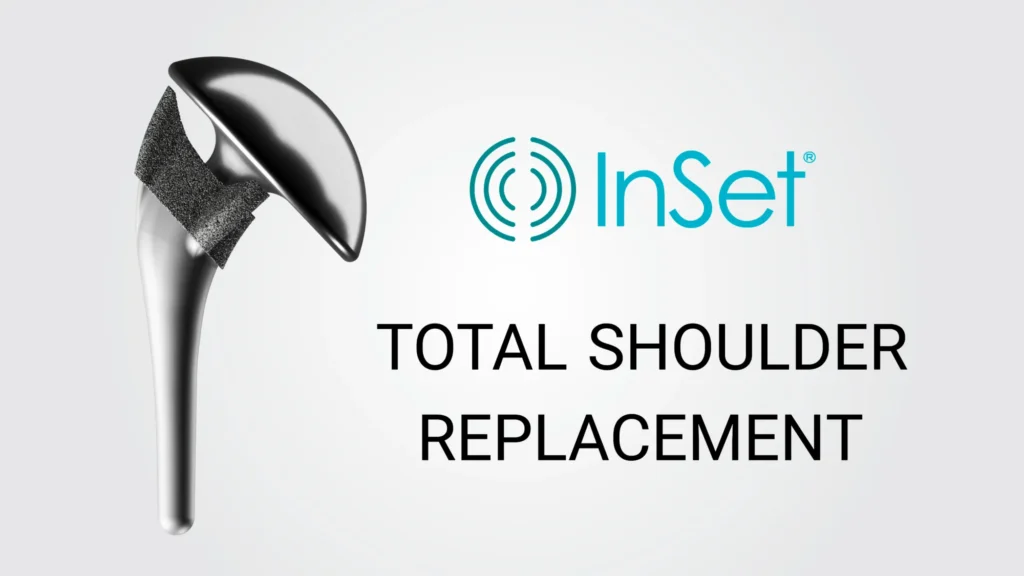
Recovery progresses gradually, with many patients regaining good functional use of the arm over six months to a year, although timelines can vary. As with any implant, certain activity modifications may be recommended over the long term to help protect the joint.
Reverse Shoulder Replacement
Reverse shoulder replacement takes a different approach by flipping the ball-and-socket configuration of the joint. The metal ball component is placed on the shoulder blade side, and the socket component is placed on the upper arm side. This design changes the mechanics of the shoulder in a way that allows the deltoid muscle, rather than the rotator cuff, to power arm movement.
This option is often recommended for patients who have a compromised or irreparable rotator cuff, cuff tear arthropathy, or complex fractures where a standard anatomic replacement would not provide adequate stability. It can also be a strong option for patients who have previously had a failed shoulder replacement.
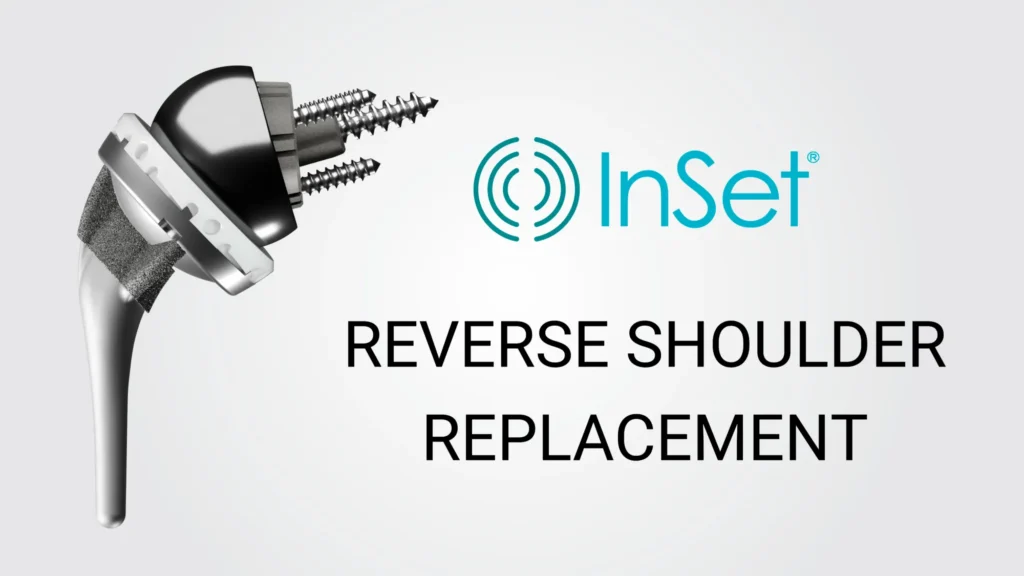
Many patients who undergo this procedure may achieve meaningful functional outcomes, including the ability to participate in recreational activities. The specific activities that are appropriate will depend on the individual, the procedure performed, and should be discussed in detail with your surgical team.
Stemless and Short-Stem Shoulder Replacement
One of the more exciting advancements in shoulder arthroplasty over recent years has been the development of stemless and short-stem implant designs. Traditional shoulder replacement components include a stem that inserts into the shaft of the upper arm bone to anchor the implant in place. Stemless designs, by contrast, anchor to the bone at the humeral head itself, without extending down into the shaft.
Why does this matter, especially for active patients?
First, stemless implants may help preserve more bone stock. This can be particularly relevant for younger, more active patients who may potentially need revision surgery in the future. More preserved bone may make any future revision procedure more manageable.
Second, stemless designs have shown encouraging results in terms of pain relief, range of motion, and overall patient satisfaction. They are generally best suited for patients with good bone quality and an intact rotator cuff, so candidacy is not universal. But for the right patient, they may represent an option that aligns well with an active lifestyle and long-term shoulder health goals.
I have a strong interest in modern implant technology, and I regularly work with Shoulder Innovations’ InSet® Total Shoulder and InSet® Reverse Shoulder systems. During your consultation, we can discuss whether a stemless or short-stem design might be appropriate for your anatomy and goals.
Activity and Sports After Shoulder Replacement
One of the most important conversations I have with active patients is about what to realistically expect when it comes to returning to sports and physical activity. The straightforward answer: many patients may return to a meaningful level of activity, but the type and intensity may need to be modified to protect the implant over the long term, and outcomes can vary.
Activities generally considered to be lower-risk after shoulder replacement may include:
- Swimming and water-based exercise
- Cycling, both road and stationary
- Golf
- Hiking and walking
- Light recreational tennis or pickleball, with modifications
- Yoga and Pilates, with appropriate movement adaptations
Activities that involve heavy lifting, contact sports, or high-impact repetitive overhead loading may place stress on the implant and are generally not recommended, or at minimum require a thorough discussion with your surgeon. It’s worth noting that the specific guidance you receive will be tailored to your procedure, your individual healing progress, and your overall health, not a generic checklist.
Recovery typically involves a period of immobilization in a sling following surgery, followed by a structured physical therapy program. The program usually focuses first on restoring range of motion and then on gradually rebuilding strength. Full recovery can take anywhere from six months to well over a year, depending on the procedure, the individual, and how closely the rehabilitation plan is followed.
Making the Decision
Choosing to move forward with shoulder replacement, and choosing which type, is an important decision. It involves carefully weighing the severity of your symptoms, your personal goals, your age, your activity level, and a clear understanding of the potential risks and benefits of surgery.
I always encourage my patients to come to their consultation prepared to ask questions. A few worth considering:
- Which type of replacement do you recommend for my situation, and why?
- What are realistic expectations for returning to the activities I enjoy?
- What are the potential risks or complications I should understand?
- What does the recovery process look like, and what will physical therapy involve?
- What happens if the implant eventually needs to be revised?
Open, honest communication between you and your surgeon is the foundation of a good outcome. My goal is always to help you clearly understand your options so that the decision we reach together truly reflects what matters most to you and your quality of life.
Summary
Shoulder replacement in active patients is not a one-size-fits-all topic, and it should never be treated as one. The right procedure depends on a number of factors, including the underlying diagnosis, the health of the rotator cuff, bone quality, age, and personal goals. Options may include anatomic total shoulder replacement, reverse total shoulder replacement, and newer stemless or short-stem designs. For many active patients, shoulder replacement can offer meaningful pain relief and the opportunity to return to a physically engaged lifestyle, with appropriate modifications and realistic, well-informed expectations.
Frequently Asked Questions
Will I be able to lift weights after shoulder replacement?
Returning to weightlifting after shoulder replacement depends on the type of surgery, how your recovery progresses, and the specific recommendations of your surgical team. Heavy or high-impact lifting is generally not recommended for most shoulder replacement patients, as it can accelerate implant wear over time. Light resistance training may be possible for some patients, but this should be discussed thoroughly with your surgeon based on your individual case.
Is shoulder replacement surgery typically done as an outpatient procedure?
In many cases, shoulder replacement surgery may be performed on an outpatient basis or with a short hospital stay, depending on the patient’s overall health, the complexity of the procedure, and the facility. Your surgeon and care team will give you clear guidance on what to expect based on your specific situation.
How do I know which type of shoulder replacement is right for me?
The best way to determine the most appropriate option is through a thorough evaluation with an experienced shoulder surgeon. This typically includes a review of your symptoms, a physical examination, and imaging studies. From there, you and your surgeon can have a detailed discussion about what the findings show and which procedure best aligns with your anatomy, your diagnosis, and your personal goals.