Reverse Shoulder Replacement Denver, CO
(303) 436-4949
660 Bannock St
Suite 6335 Denver, CO 80204
Monday - Friday | 8:00 AM - 4:00 PM


Discover Recent Posts
When shoulder pain is combined with weakness, loss of motion, or damage to the rotator cuff, traditional shoulder treatments may no longer be effective. In these cases, reverse shoulder arthroplasty may be recommended. This procedure is a type of shoulder replacement designed for patients with some complex joint problems, including rotator cuff deficiency and arthritis.
Dr. Jessica Churchill provides reverse shoulder arthroplasty to patients in Denver, Colorado. Her approach to care focuses on education, informed decision-making, and matching treatment strategies to each patient’s lifestyle and functional needs. RSA may be part of a broader plan to restore mobility, reduce pain, and improve quality of life when other options are no longer providing relief.
Anatomy of the Shoulder
The shoulder is a ball-and-socket joint made up of three bones: the humerus (upper arm bone), scapula (shoulder blade), and clavicle (collarbone). In a healthy shoulder, the rounded head of the humerus fits into a shallow socket in the scapula called the glenoid. This structure allows for extensive motion in many directions.
The shoulder joint is supported and moved by the rotator cuff, a group of muscles and tendons that surround the joint. The deltoid muscle also plays a key role in lifting and rotating the arm. Articular cartilage lines the surfaces of the bones, allowing smooth, pain-free movement. When these soft tissue structures become severely damaged or when arthritis is present, the joint may become painful and unstable.
Conditions That May Lead to Reverse Shoulder Arthroplasty
Reverse shoulder arthroplasty may be recommended when the shoulder has lost stability and function due to:
- Massive Rotator Cuff Tears: When the rotator cuff is extensively torn and cannot be repaired, the shoulder may lose strength and the ability to lift or rotate.
- Cuff Tear Arthropathy: This condition combines rotator cuff damage with arthritis. The humeral head may migrate upward and begin contacting other bony surfaces, resulting in pain and restricted movement.
- Advanced Shoulder Arthritis: When cartilage is worn away, the joint surfaces become rough and painful. This is especially challenging when the rotator cuff is also not functioning.
- Complex Shoulder Fractures: Severe fractures, especially those involving the head of the humerus, may require joint replacement to restore function.
- Failed Prior Shoulder Replacement: If a previous shoulder surgery did not relieve symptoms or led to new complications, reverse arthroplasty may be considered as a revision option.
These conditions often make it difficult or impossible to raise the arm or perform basic tasks such as getting dressed or reaching overhead. RSA offers an alternative approach when traditional shoulder mechanics can no longer be restored.
How the Procedure Works
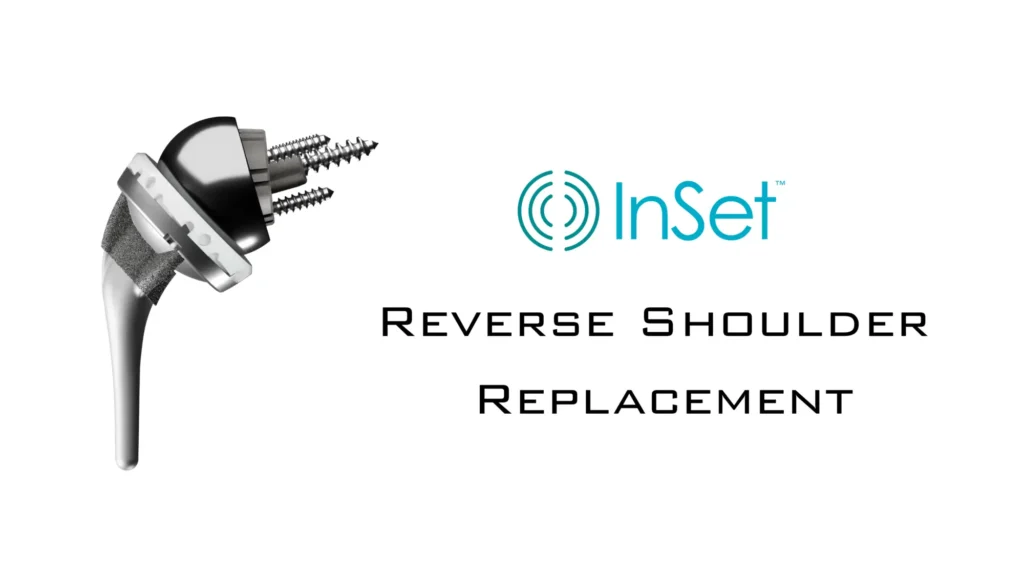
Unlike total shoulder arthroplasty, where the humeral head is replaced with a ball-shaped implant and the glenoid with a socket, reverse shoulder arthroplasty switches these components. The ball is placed on the socket side (scapula) and the socket is placed on the arm side (humerus). This “reversed” configuration allows the deltoid muscle to power shoulder motion in place of the damaged rotator cuff.
The surgery is typically performed under general anesthesia. Through a carefully placed incision at the front or side of the shoulder, the surgeon removes the damaged joint surfaces and prepares the bones to receive the implants. After securing the new components, the joint is checked for stability and smooth motion.
This change in joint mechanics can help restore lifting ability and reduce pain in patients who could not benefit from a standard shoulder replacement due to rotator cuff dysfunction.
Recovery and Rehabilitation
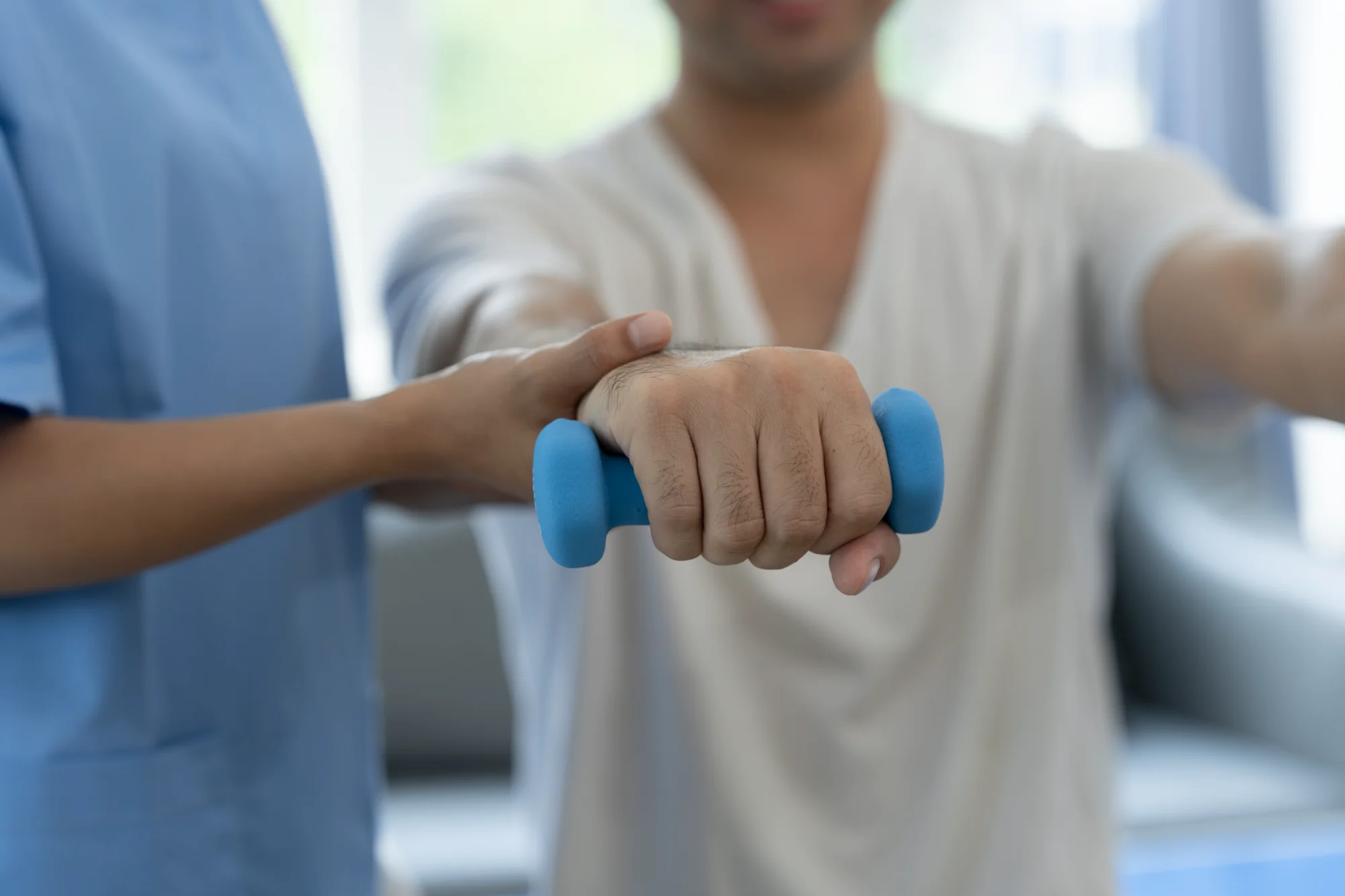
Recovery after reverse shoulder arthroplasty is progressive and typically takes place over several months. The arm is supported in a sling immediately after surgery to protect the healing joint. In the early stages, physical therapy often includes gentle range-of-motion exercises led by a physical therapist.
As healing continues, strengthening exercises are gradually introduced to help rebuild stability and functional use of the arm. The deltoid muscle plays a larger role in arm motion after RSA, so therapy focuses on activating and strengthening this muscle.
Many patients begin returning to light daily activities within a few weeks. Heavier tasks, such as lifting or reaching, are typically resumed over a longer timeline depending on individual progress. Dr. Churchill works closely with each patient throughout the rehabilitation process, ensuring that recovery milestones are met safely and that expectations remain aligned with overall goals.
Reverse shoulder arthroplasty can be a helpful solution for people with complex shoulder conditions that have not responded to other treatments. Dr. Jessica Churchill provides support and education throughout the process so patients can make confident choices and work toward improved shoulder function with clarity and purpose.