Shoulder Disorders Denver, CO
(303) 436-4949
660 Bannock St
Suite 6335 Denver, CO 80204
Monday - Friday | 8:00 AM - 4:00 PM


Discover Recent Posts

The shoulder is one of the most mobile joints in the body. This remarkable flexibility allows for complex arm movements but also increases the risk of injury and wear over time. Whether caused by overuse, trauma, or gradual degeneration, shoulder issues can disrupt physical activity and daily tasks.
Dr. Jessica Churchill offers focused orthopedic care for shoulder conditions in Denver, Colorado. Her practice emphasizes patient education and shared decision-making. By working closely with each individual, Dr. Churchill supports the development of treatment plans that align with personal goals, functional needs, and long-term wellness.
Anatomy of the Shoulder
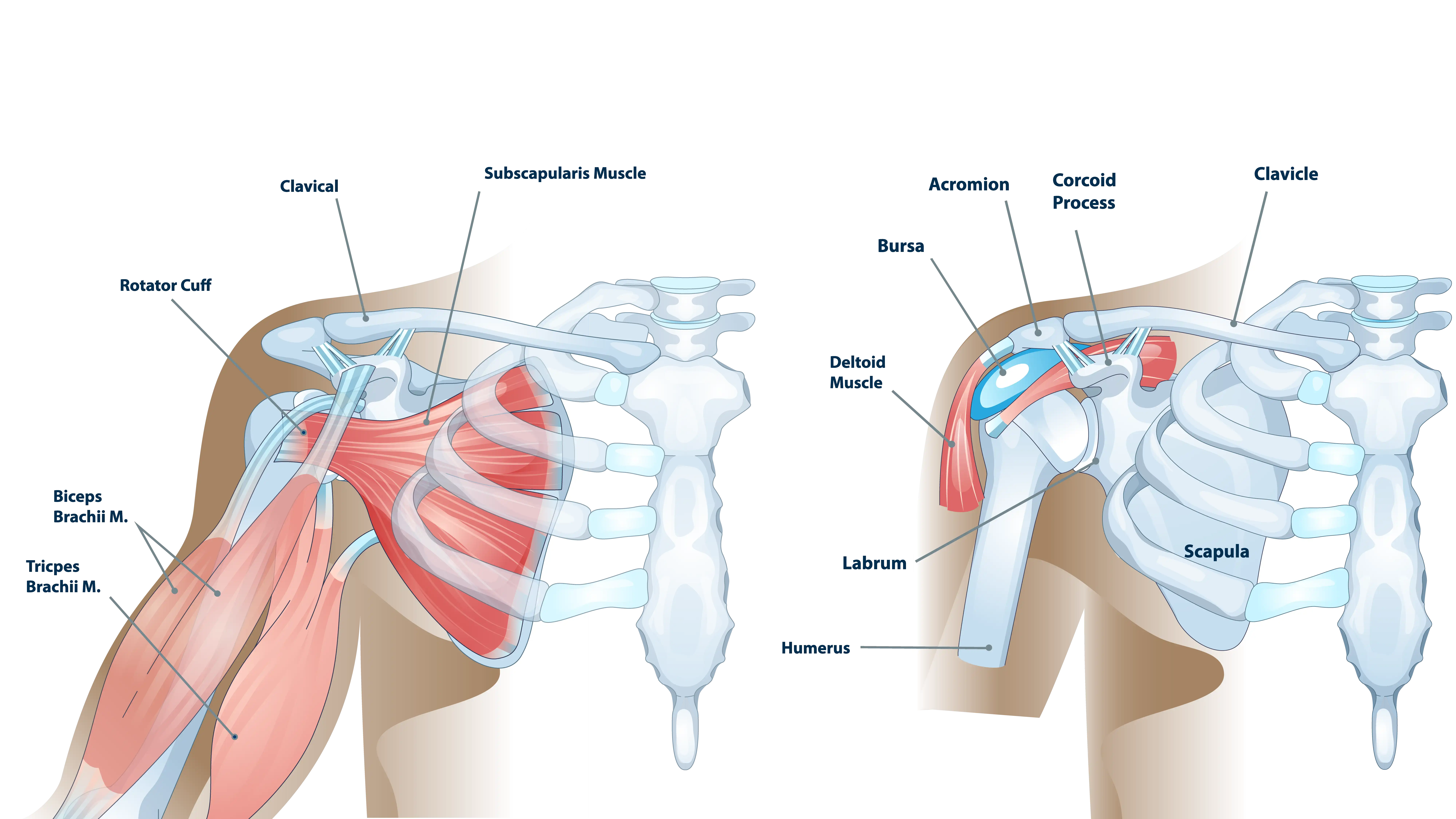
The shoulder is a ball-and-socket joint that brings together three bones: the humerus (upper arm bone), the scapula (shoulder blade), and the clavicle (collarbone). These structures interact through two main joints called the glenohumeral joint and the acromioclavicular joint. Together, they allow for a wide range of arm movements such as lifting, rotating, and reaching.
Key soft tissue structures stabilize the shoulder. These include the rotator cuff muscles and tendons, the joint capsule, bursae that reduce friction, and several ligaments that support alignment. Because of its complexity and the demands placed on it, the shoulder is susceptible to inflammation, strain, and degenerative changes over time.
Common Shoulder Disorders
Adhesive Capsulitis (Frozen Shoulder)
Frozen shoulder occurs when the connective tissue surrounding the shoulder joint becomes thickened and tight, limiting movement and causing stiffness. This condition often begins gradually and progresses through stages that include increasing pain, restricted range of motion, and eventual slow recovery.
It may be triggered by prolonged immobility after an injury or surgery, and it is more common in people with diabetes or thyroid disorders. Treatment typically includes targeted physical therapy, anti-inflammatory medications, and joint mobilization techniques.
Biceps Tendonitis
The biceps tendon helps anchor the upper arm to the shoulder, and it plays an essential role in arm flexion and rotation. Over time or due to repetitive overhead activities, this tendon can become inflamed or partially torn. This condition often leads to pain in the front of the shoulder, weakness with lifting, and discomfort during movement.
Initial care may involve rest, cold therapy, non-steroidal anti-inflammatory drugs, and guided rehabilitation exercises. Dr. Churchill may also explore ultrasound-guided injections or surgical options such as biceps tenodesis for cases involving persistent pain or significant tendon damage.
Glenohumeral Osteoarthritis
Osteoarthritis in the glenohumeral joint occurs when the cartilage that cushions the shoulder bones breaks down. This leads to bone-on-bone friction, inflammation, and joint stiffness. Symptoms may develop slowly and include pain during activity or rest, decreased flexibility, and difficulty with tasks such as dressing or reaching overhead.
Conservative treatments focus on reducing inflammation and maintaining range of motion. These may include therapeutic exercises, medications, and joint injections. If non-surgical measures do not sufficiently improve comfort or function, Dr. Churchill may discuss surgical solutions including joint resurfacing or shoulder replacement procedures.
Labral Tears
The labrum is a ring of cartilage that deepens the shoulder socket and helps stabilize the joint. A tear in the labrum can occur from acute injury or chronic stress, particularly in athletes who engage in overhead throwing or lifting. Labral tears can cause a catching or locking sensation, instability, and pain with movement.
Diagnosis can involve advanced imaging such as MRI with contrast. Treatment may begin with physical therapy aimed at stabilizing the joint. For tears that lead to ongoing instability or pain, arthroscopic surgery may be recommended to repair or remove damaged tissue.
Rotator Cuff Tears
The rotator cuff is a group of four muscles and their tendons that stabilize and move the shoulder. Tears in one or more of these tendons may develop suddenly due to trauma or slowly over time from repetitive use. Symptoms include weakness, sharp or aching pain, and a clicking sensation with movement.
Small or partial tears may be managed with physical therapy, anti-inflammatory medications, and modification of daily activities. When the tear is large, full-thickness, or causing significant dysfunction, Dr. Churchill may discuss surgical repair options. Recovery typically includes a structured rehabilitation program to restore strength, coordination, and comfort.
Subacromial Impingement Syndrome
Impingement syndrome happens when tendons or bursae in the shoulder become compressed during arm elevation. This can lead to irritation, inflammation, and persistent aching. Common symptoms include pain when lifting the arm, especially overhead, and weakness during activities like reaching or throwing.
Addressing impingement often involves correcting movement patterns and strengthening supporting muscles. Physical therapy focused on posture, shoulder mechanics, and flexibility plays a central role. If symptoms persist despite conservative care, minimally invasive procedures may be considered to relieve pressure on the soft tissues.
Total Shoulder Replacement Surgery

In advanced cases of arthritis or significant joint deterioration, total shoulder replacement may be a treatment option. This surgery replaces the damaged ball and socket surfaces with artificial implants. The goal is to reduce pain and improve shoulder function.
Recovery is a step-by-step process. After surgery, the shoulder is typically protected with a sling, followed by physical therapy that gradually restores movement and strength. Dr. Churchill works closely with each patient to guide rehabilitation, allowing for progression at a pace that aligns with individual capacity and healing.
Reverse Shoulder Replacement Surgery
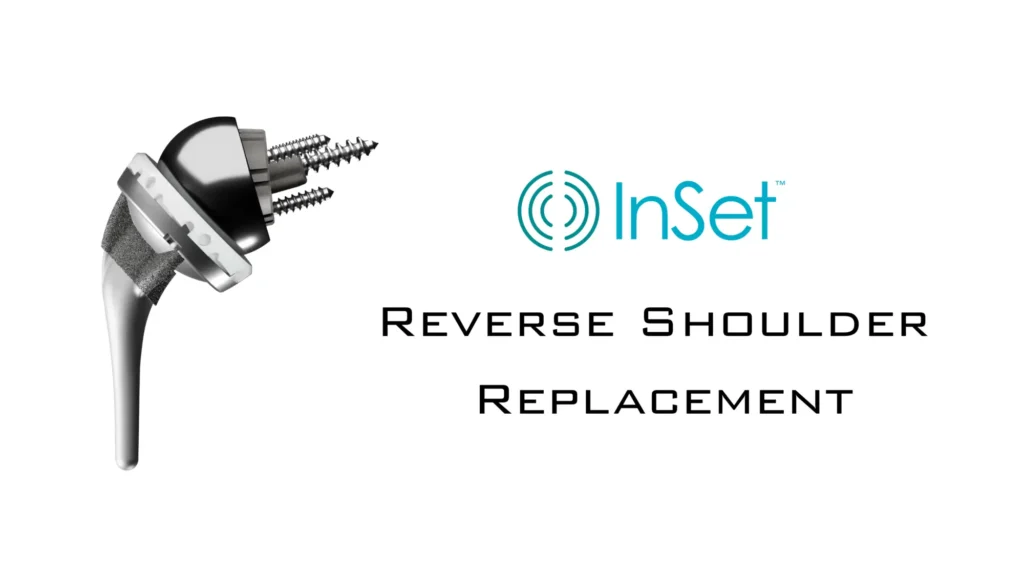
When the rotator cuff is severely damaged and cannot be repaired, reverse shoulder replacement could become a treatment option. This technique changes the orientation of the joint components to allow the deltoid muscle to lift the arm instead of relying on the rotator cuff.
Reverse shoulder replacement can improve stability and arm motion in patients who previously had limited function. As with all surgical options, recovery includes a period of rest, followed by a progressive therapy plan that supports adaptation to the new joint mechanics.
Treatment and Recovery
Every shoulder condition is different. That is why treatment decisions are most effective when they are informed by both medical expertise and the goals of the individual. Dr. Jessica Churchill takes time to explain diagnostic findings and treatment options clearly, so patients feel supported throughout the decision-making process.
- Non-Surgical Approaches: These may include anti-inflammatory medications, physical therapy, joint injections, bracing, and movement modification strategies.
- Surgical Care: When surgery becomes necessary, Dr. Churchill uses minimally invasive techniques when possible. Procedures may involve tendon repair, tissue release, or joint replacement.
- Rehabilitation and Prevention: Recovery is guided by functional goals. Rehabilitation programs aim to restore range of motion, rebuild strength, and reduce the likelihood of future injury. Education on posture, movement habits, and conditioning is part of long-term shoulder care.
Shoulder pain can be challenging, but with informed care and a thoughtful plan, it is often possible to restore function and return to the activities that matter most. In Denver, Dr. Jessica Churchill partners with patients to explore personalized solutions that support recovery, confidence, and sustained shoulder health.