



Shoulder pain can impact daily life, limiting movement and causing persistent discomfort. For many, when conservative treatments no longer provide relief, shoulder replacement surgery may become a valuable treatment option. This procedure involves replacing damaged parts of the shoulder joint with prosthetic components, aiming to restore function and alleviate pain.
A common question among patients considering this surgery is, understandably, about its duration, both the time spent in the operating room and the overall recovery journey. Understanding these timelines can help patients prepare mentally and physically for the process, setting realistic expectations for their path to recovery. In this post, we’ll explore shoulder replacement surgery, including what to expect during the procedure and the recovery process.
Key Takeaways
- The shoulder replacement surgery procedure typically lasts between 1 and 3 hours. This can vary based on the complexity of the case, the type of replacement (total or reverse), and the surgeon’s experience.
- Patients should account for additional time before surgery for preparation and anesthesia administration, which can add 30 minutes to an hour.
- Individual factors such as age, overall health, and adherence to physical therapy can influence the recovery timeline.
Understanding Shoulder Replacement Surgery
Shoulder replacement surgery, or shoulder arthroplasty, is an orthopedic procedure designed to help reduce severe shoulder pain and improve mobility when the joint has been significantly damaged. This damage often stems from conditions such as osteoarthritis, rheumatoid arthritis, rotator cuff tear arthropathy, or severe fractures.
The shoulder is a ball-and-socket joint, composed of the head of the humerus (upper arm bone) and the glenoid (a shallow socket in the shoulder blade). In a healthy shoulder, these surfaces are covered with smooth cartilage, allowing for smooth movement. When this cartilage wears away or the bone is damaged, movement may become painful and restricted.
During a shoulder replacement, the damaged parts of the joint are removed and replaced with artificial components, known as prostheses. There are several types of shoulder replacement surgeries, each tailored to the specific needs of the patient and the nature of their shoulder damage. An experienced shoulder specialist can evaluate the condition and help guide the most appropriate path.
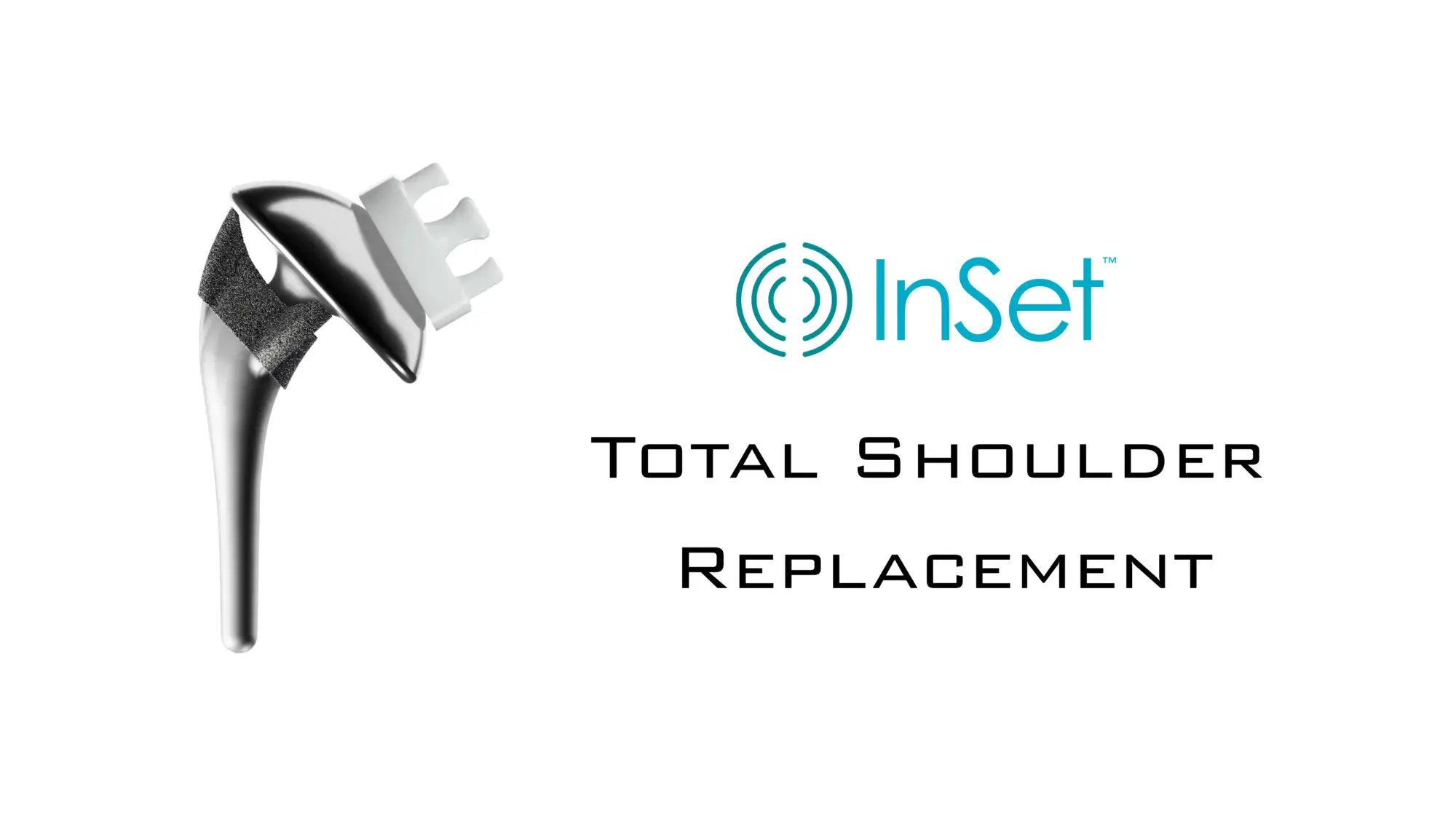
Total Shoulder Replacement: In total shoulder replacements, both the ball (humeral head) and the socket (glenoid) are replaced to mimic the natural anatomical structure of the shoulder. The humeral head is replaced with a metal ball attached to a stem that is inserted into the humerus, while the glenoid is resurfaced with a smooth plastic component. This type of replacement is typically recommended for patients with intact rotator cuff tendons.
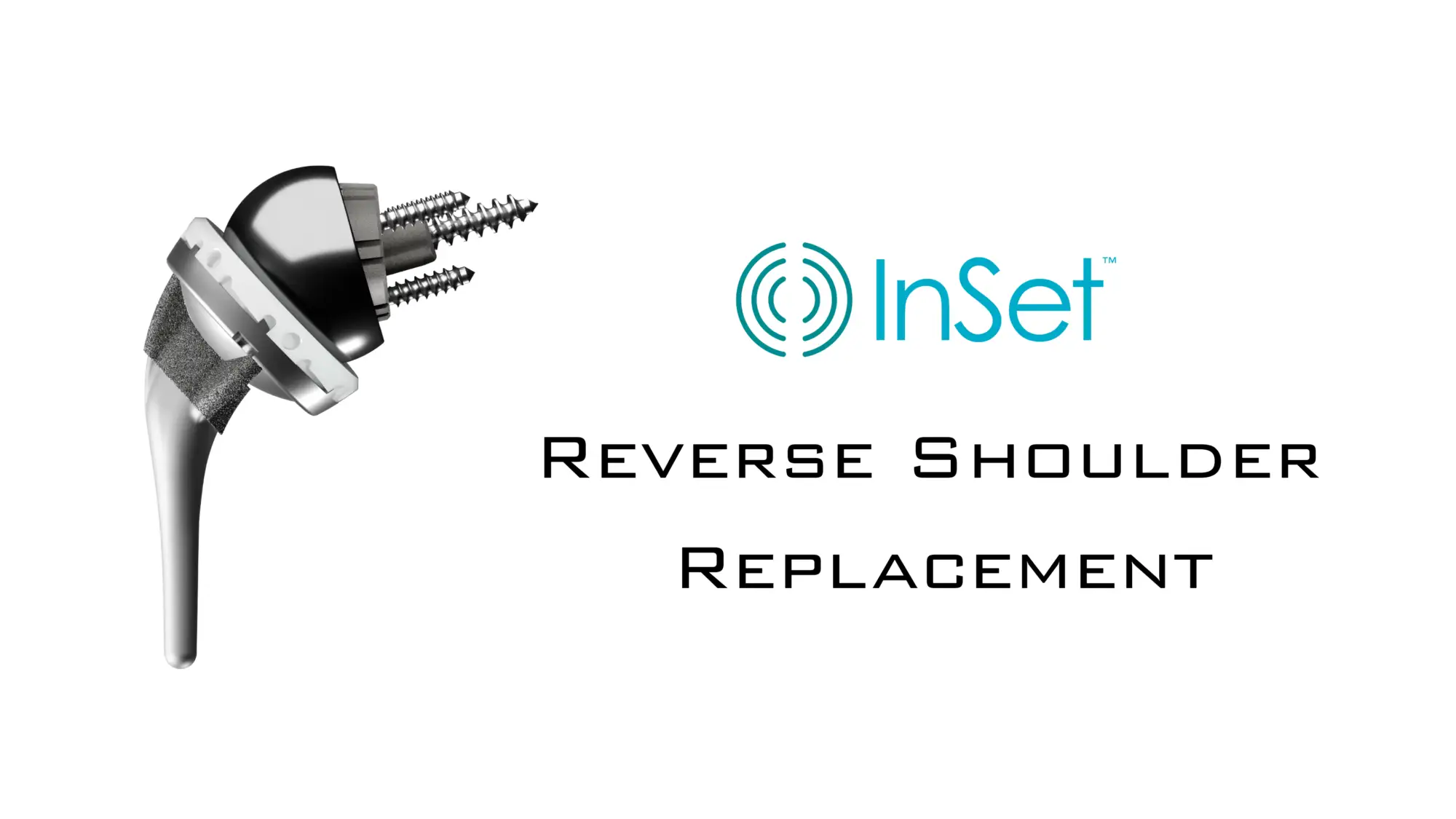
Reverse Total Shoulder Replacement: This procedure is often chosen for patients with a completely torn rotator cuff that cannot be repaired. In a reverse shoulder replacement, the ball and socket components are switched: a metal ball is fixed to the shoulder blade (glenoid), and a plastic socket is attached to the upper arm bone (humerus). This reversal allows the deltoid muscle, rather than the damaged rotator cuff, to power the arm.
The Surgical Procedure: What Happens in the Operating Room
The actual shoulder replacement surgery is a meticulously planned procedure that typically takes between 1 and 3 hours. However, it is important to understand that this timeframe can fluctuate based on several factors, including the complexity of the individual case, the specific type of replacement being performed, and the surgeon’s experience.
Before the surgical incision is made, patients may be brought into a pre-operative area where they meet with the surgical team, including the anesthesiologist. Most shoulder replacement surgeries are performed under general anesthesia. In many cases, a regional nerve block is also administered. The administration and setup for anesthesia can add an additional 30 minutes to an hour to the overall time spent in the operating room suite.
Once the anesthesia has taken effect, the surgical team prepares the shoulder area. The surgeon then makes an incision, typically on the front or top of the shoulder, to access the joint. The size and location of the incision can vary depending on the surgical approach chosen by the surgeon.
The next steps involve carefully navigating through the soft tissues to expose the damaged bone and cartilage. The surgeon then proceeds to remove the damaged portions of the humeral head and/or glenoid socket. Specialized instruments are used to precisely prepare the bone surfaces to accept the prosthetic components.
The prosthetic components are then carefully implanted. Once the implants are securely in place and the surgeon is satisfied with the joint’s stability and range of motion, the incision is closed. A sterile dressing is applied, and often a drain is placed temporarily to collect any excess fluid. The patient is then carefully moved to the recovery room for close monitoring as they emerge from anesthesia.
The Recovery Process
The journey to full recovery after shoulder replacement surgery is a gradual process that may require patience, dedication, and adherence to a prescribed rehabilitation program. While the surgical procedure itself may take only a few hours, the recovery timeline extends over several months, typically ranging from 6 months to a year.
Immediate Post-Operative Period
Immediately after surgery, patients are transferred to a recovery room where their vital signs are closely monitored as they awaken from anesthesia. Pain management is a primary focus during this period. Some patients will be discharged the same day, while others may need to stay in the hospital overnight.
Upon discharge, the operated arm is typically immobilized in a sling, which aims to protect the healing tissues and prevent accidental movements that could jeopardize the surgical repair. It is common to experience some pain, swelling, and bruising around the surgical site during this time. The focus of this phase is to protect the healing joint, manage pain, and prevent stiffness through very gentle, passive range of motion exercises, where the physical therapist moves the operated arm without engaging the shoulder muscles.
Early Rehabilitation
As the initial healing progresses, the rehabilitation program becomes more active. The sling may be gradually discontinued, often under the guidance of the physical therapist. The primary goal of this phase is to restore a greater range of motion to the shoulder. Physical therapy sessions will involve a combination of passive and active-assisted range of motion exercises, where the patient starts to use their own muscles to move the arm, but with assistance. Light strengthening exercises may also be introduced.
Advanced Rehabilitation
This phase focuses on progressive strengthening and functional training. Physical therapy may intensify, incorporating more challenging resistance exercises to rebuild muscle strength and endurance around the shoulder joint. The goal is to prepare the shoulder for more demanding activities and to restore full functional use. The therapist will guide the patient through exercises designed to mimic movements required for their specific work or hobbies, supporting a safe and effective return to these activities.
Long-Term Recovery and Return to Activity
Full recovery from shoulder replacement surgery can take anywhere from 6 months to a full year, and sometimes longer. During this final phase, the focus shifts to maximizing strength, endurance, and functional independence. Patients should often continue with a maintenance exercise program, incorporating elements learned in physical therapy into their daily routine. The goal is to achieve the best possible long-term outcome, allowing patients to return to most, if not all, of their desired activities.
Return to work depends heavily on the nature of the job. Individuals with sedentary desk jobs may be able to return within weeks. While those with physically demanding jobs requiring heavy lifting or repetitive arm movements may need longer. Similarly, participation in sports and recreational activities will be gradually reintroduced based on the surgeon’s recommendations and the patient’s progress.
It is important to remember that individual recovery timelines can vary significantly. Factors such as age, overall health, the severity of the initial shoulder damage, the type of surgery performed, the patient’s adherence to their rehabilitation program all play a role. Regular follow-up appointments with your medical team will ensure that recovery is progressing as expected and allow for any necessary adjustments to the treatment plan.
Summary
Shoulder replacement surgery may offer relief from chronic pain and improve function for many individuals suffering from severe shoulder joint damage. While the actual procedure typically spans 1 to 3 hours, the journey to full recovery is a comprehensive process that unfolds over several months, often requiring commitment to a structured rehabilitation program. From the immediate post-operative care and initial immobilization to the progressive stages of physical therapy and eventual return to activity, each phase plays a role in achieving optimal outcomes.
Frequently Asked Questions
When can I return to work after shoulder replacement surgery?
The time it takes to return to work varies significantly based on the nature of your job. If you have a sedentary desk job that requires minimal arm movement, you might be able to return within weeks. However, if your job is physically demanding and involves heavy lifting, repetitive arm movements, or overhead work, it could take 3 months or even longer before you can safely return. Your surgeon and physical therapist can provide guidance based on your recovery progress.
How long will I need to wear a sling after surgery?
Patients typically need to wear a sling for the first 4 to 6 weeks after shoulder replacement surgery. The sling is helpful for protecting the healing joint and preventing accidental movements that could compromise the surgical repair. Your surgeon or physical therapist will instruct you on when and how to gradually reduce sling use as your recovery progresses.
When can I start driving again?
The ability to drive safely after shoulder replacement surgery depends on several factors, including which shoulder was operated on (dominant vs. non-dominant), your pain levels, and your ability to safely control the steering wheel and react quickly. Always consult with your surgeon before resuming driving.
Will I need physical therapy, and for how long?
Physical therapy is typically an essential component of shoulder replacement recovery. It may begin shortly after surgery and continue for several months. Your physical therapist will guide you through a structured exercise program designed to restore range of motion, strength, and function to your shoulder.