


Medicare may cover shoulder replacement surgery if it is considered medically necessary, but the extent of coverage depends on your specific Medicare plan. This post explains what each part of Medicare generally covers and helps you prepare for potential out-of-pocket costs.
Key Takeaways
- Medicare typically covers shoulder replacement surgery if deemed medically necessary. However, coverage varies based on whether the surgery is inpatient (Part A) or outpatient (Part B).
- Patients may face additional out-of-pocket costs for deductibles, coinsurance, and post-operative care, depending on their Medicare plan.
- Preparation is important for successful recovery from shoulder replacement surgery, including checking medications, planning lifestyle adjustments, and packing essential items for the hospital.
Medicare Coverage for Shoulder Replacement Surgery
Medicare generally covers shoulder replacement surgery if it’s deemed medically necessary. The coverage depends on whether the procedure is inpatient or outpatient and if you have Original Medicare or a Medicare Advantage plan.
Let’s break down what each part of Medicare covers.
Medicare Part A
Medicare Part A covers inpatient procedures, including hospital-based shoulder replacement surgeries. It includes:
- Hospital stays
- Medications administered during the stay
- Physical therapy during hospitalization
- Limited skilled nursing facility care post-discharge
However, patients should be aware of additional costs like deductibles and coinsurance. Even with Medicare Part A, additional costs like facility fees and post-operative care expenses may arise. Planning for these can help you prepare financially for your surgery.
Medicare Part B
Medicare Part B covers outpatient procedures, such as same-day shoulder replacement surgeries and associated services. Coverage includes:
- Physician visits
- Lab tests
- Durable medical equipment (e.g., slings, braces)
Similar to Part A, patients should be aware of additional costs, including coinsurance responsibilities and deductibles.
Medicare Advantage (Part C)
Medicare Advantage plans (Part C) are offered by private insurers. These plans often provide coverage similar to Original Medicare but may have different cost structures, network restrictions, and varying out-of-pocket limits.
Some plans also include additional benefits, such as coverage for over-the-counter medications. Check with your plan provider for exact coverage details and potential network restrictions.
Medicare Part D
Medicare Part D helps cover the cost of prescription medications that may be needed after shoulder replacement surgery. Coverage and costs vary based on:
- The plan’s list of covered drugs
- The tier of your medication
- Your plan’s deductible, copays, and coinsurance
Understanding your plan’s drug coverage in advance can help estimate your total medication costs during recovery.
Medigap (Medicare Supplement Insurance)
Medigap, or Medicare Supplement Insurance, helps cover out-of-pocket expenses like copays, coinsurance, and deductibles that Original Medicare doesn’t fully cover.
Medigap plans have varying coverage levels and associated costs. These plans are only available to individuals with Original Medicare, and the primary cost associated with a Medigap policy is a monthly premium.
Out-of-Pocket Costs for Shoulder Replacement Surgery
Total out-of-pocket expenses depend on several variables, including type of Medicare coverage, surgery type (inpatient vs. outpatient), geographic location, and facility. In the following subsections, we’ll take a close look at costs under Original Medicare, Medicare Advantage Plans, and prescription drug costs.
Costs Under Original Medicare
Under Original Medicare, out-of-pocket costs include a deductible and a percentage of coinsurance for Part B services associated with shoulder replacement surgery. After meeting the deductible, patients will need to cover a percentage of the Medicare-approved cost for the surgery and related services.
Part A typically covers inpatient shoulder surgeries, medications, and therapies during hospital stays but has limits on the duration of coverage. Plan for potential additional costs if your hospital stay exceeds the covered duration of hospital insurance.
Costs Under Medicare Advantage Plans
Medicare Advantage plans vary, but typically involve several cost components, including monthly premiums, copays, coinsurance, and deductibles. Using in-network providers is often important to minimize out-of-pocket expenses.
Medicare Advantage plans typically include a yearly cap on out-of-pocket expenses, which helps provide financial protection and predictability in managing your healthcare costs.
Prescription Drug Costs
Costs under Medicare Part D for prescription drugs can vary, depending on:
- Monthly premiums
- The drug tier system
- Deductibles and copays
- Whether the pharmacy is in-network
Some plans may also cover over-the-counter options for pain management.
Types of Shoulder Replacement Surgeries
Shoulder replacement surgery comes in different forms, each tailored to specific needs and conditions. The primary types include anatomic total shoulder replacement and reverse total shoulder replacement.
The choice of surgery depends on factors such as the extent of shoulder damage, the condition of the rotator cuff, and the patient’s overall health.
Total Shoulder Replacement
Total shoulder replacement involves replacing the ball (humeral head) and the socket (glenoid) with artificial components. This shoulder joint replacement surgery is generally recommended for patients with an intact rotator cuff.
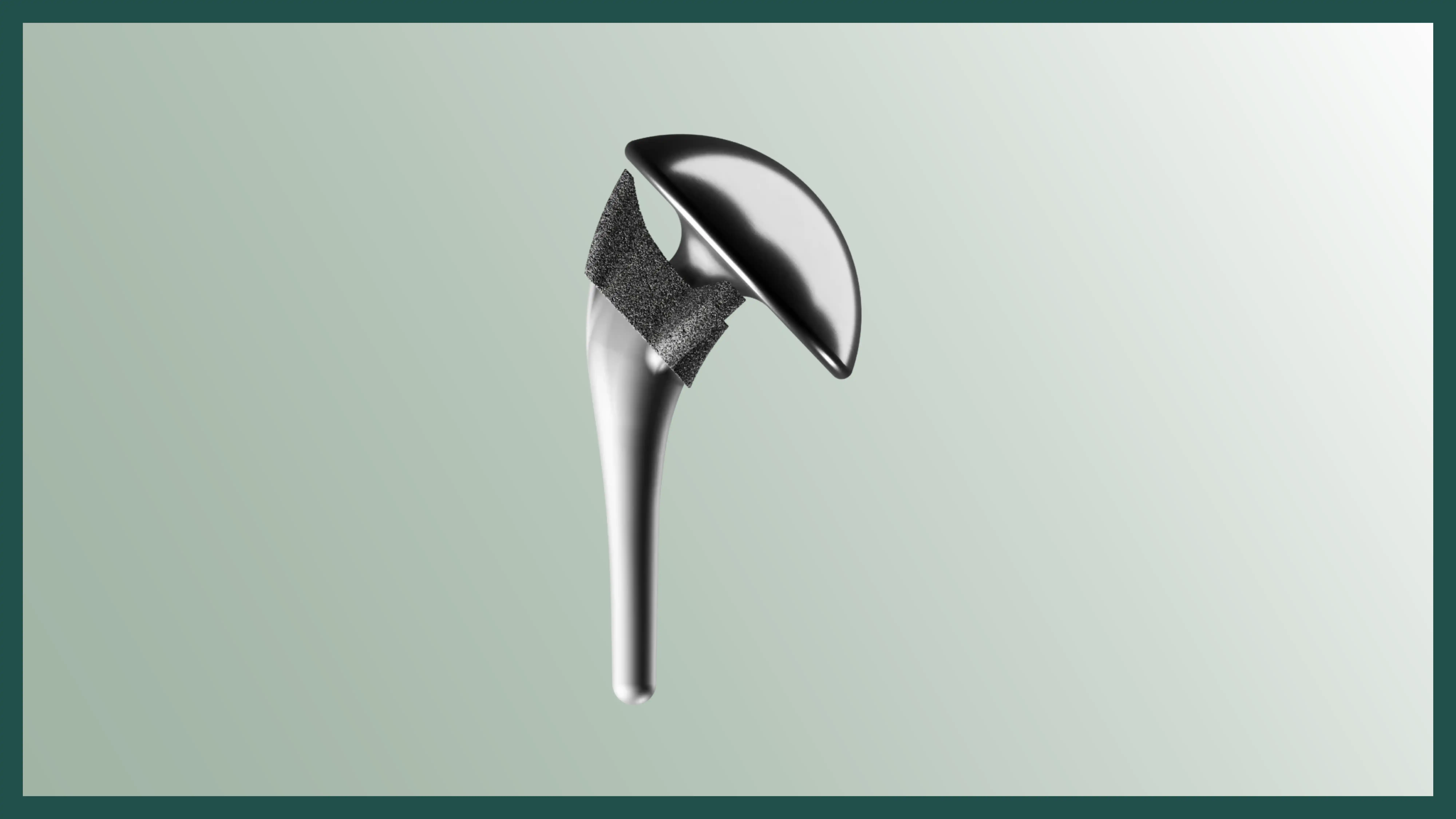
The primary goal of total shoulder replacement surgery is to alleviate pain and enhance shoulder function, making daily activities more manageable.
Reverse Shoulder Replacement
In a reverse shoulder replacement, the anatomical ball-and-socket structure of the shoulder joint is reversed, allowing the deltoid muscle to compensate for a damaged rotator cuff. This procedure benefits patients with a severely damaged or non-functional rotator cuff.
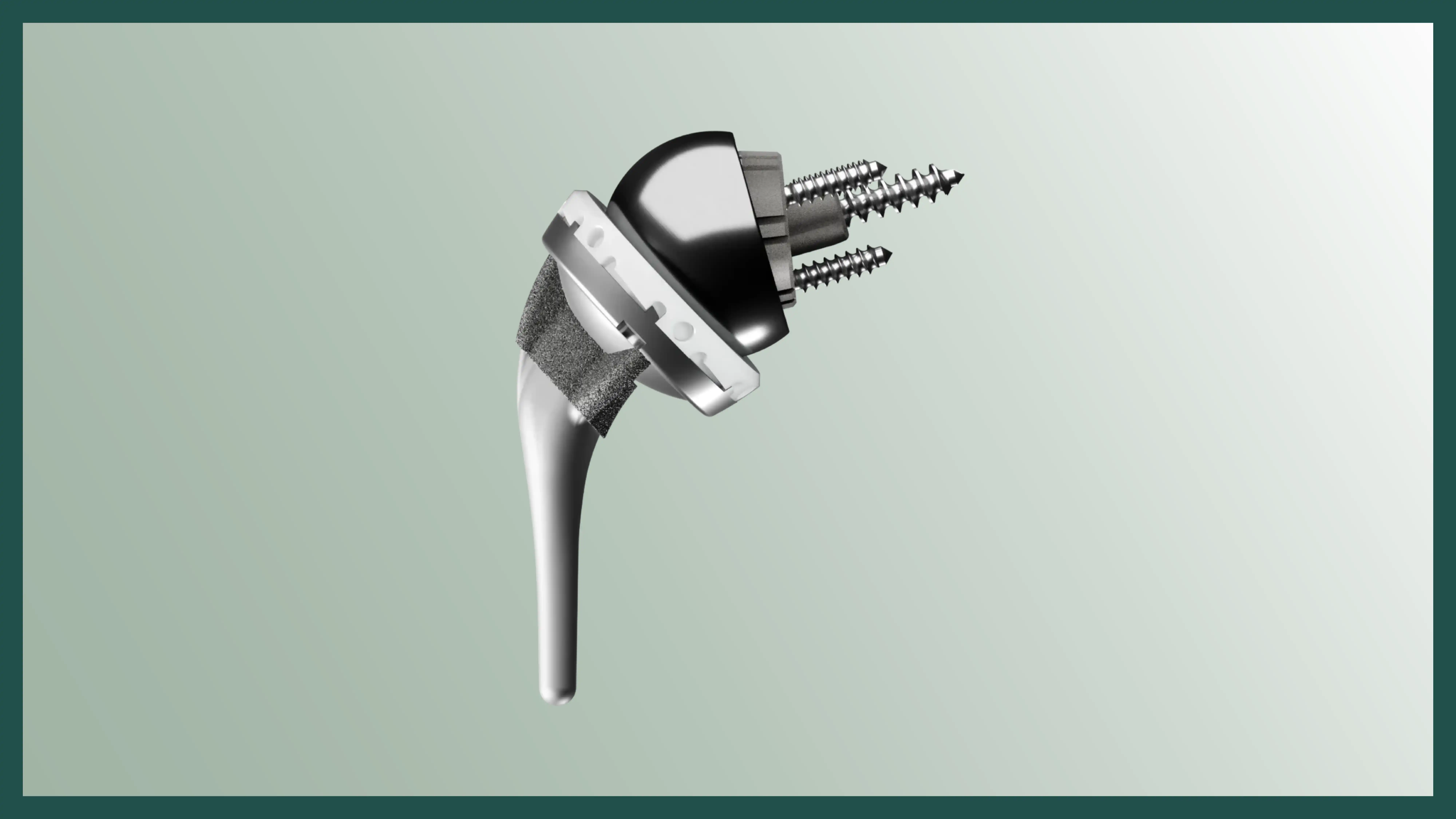
By leveraging the deltoid muscle, for many patients, reverse shoulder replacement has been shown to restore function and alleviate shoulder pain.
Preparing for Shoulder Replacement Surgery
Preparation is one of the keys to a successful shoulder replacement surgery. This includes reviewing medications, consulting specialists, and making lifestyle adjustments. Proper preparation can enhance recovery outcomes.
Pre-Surgery Preparations
Before surgery, patients are typically instructed to review and possibly stop certain medications, limit alcohol consumption, and quit or reduce smoking. Additionally, preparing meals ahead of time can ensure proper nutrition post-surgery.
Day of Surgery
On the day of your shoulder replacement surgery, avoid eating or drinking anything after midnight, except for small sips of water and approved medications. Wear comfortable, loose clothing that is easy to put on and take off.
Patients are advised to pack the following items in a bag to bring to the hospital:
- Comfortable clothes for discharge
- Photo ID and insurance cards
- A list of your current medications and dosages
Post-Surgery Care
Post-surgery care focuses on managing pain to ensure a comfortable recovery. Recommendations typically include:
- Using a sling to immobilize and protect the shoulder
- Applying ice packs to reduce swelling
- Removing rugs and other tripping hazards to prevent falls during the healing process
Physical therapy after shoulder replacement often begins within the first few days after surgery, starting with passive range-of-motion exercise and gradually progressing. It is an important step in the recovery process toward restoring function and relieving pain. Medicare often covers physical therapy services, but may not cover the full cost.
Summary
Understanding Medicare coverage for shoulder replacement surgery can help you plan financially and medically for this procedure. This includes knowing what parts A, B, C, and D cover, reviewing the types of surgeries available, and following the best practices for preparation and recovery. With this knowledge, you can approach your surgery with greater confidence, knowing what to expect.
Frequently Asked Questions
Does Medicare Part A cover shoulder replacement surgery?
Medicare Part A typically covers shoulder replacement surgery when it is performed as an inpatient procedure, including hospital stays and necessary treatments.
What out-of-pocket costs should I expect under Original Medicare for shoulder replacement surgery?
You should anticipate a deductible and a percentage of coinsurance for Part B services associated with shoulder replacement surgery under Original Medicare. This means you’ll generally be responsible for a portion of the associated costs after meeting your deductible.
How does Medicare Advantage differ from Original Medicare in covering shoulder replacement surgery?
Medicare Advantage plans cover shoulder replacement surgery like Original Medicare, but they may have distinct cost structures and have network restrictions that could affect your out-of-pocket expenses. It’s essential to review your specific plan details to understand any differences.
What types of shoulder replacement surgeries are available?
There are two primary types of shoulder replacement surgeries: anatomic total shoulder replacement and reverse total shoulder replacement. Each option is tailored to address specific conditions and patient needs.
What should I do to prepare for shoulder replacement surgery?
To support a smooth recovery from shoulder replacement surgery, review your medications, consult your specialists, make necessary lifestyle adjustments, and prepare meals in advance. Prioritizing these steps will help facilitate a successful surgery and recovery process.