



Reverse shoulder replacement is a surgical procedure that may be recommended for patients with severe shoulder damage or irreparable rotator cuff tears. In this post, we’ll discuss what reverse shoulder replacement is, the possible benefits, and the recovery process.
Key Takeaways
- Reverse shoulder replacement is a surgical option for patients with significant rotator cuff damage, aiming to relieve pain and improve mobility.
- The procedure changes the mechanics of the shoulder joint to rely on the deltoid muscle, offering a solution even when the rotator cuff is no longer functional.
- Recovery relies on postoperative care and rehabilitation, which help restore strength and mobility.
Understanding Reverse Shoulder Replacement
Reverse shoulder replacement is a surgical procedure designed to address severe shoulder issues by replacing damaged parts of the shoulder joint with artificial components. Unlike traditional shoulder replacement, where the natural anatomy is replicated, reverse total shoulder replacement reverses the placement of the components. The humeral ball is placed in the glenoid cavity, and the plastic socket is attached to the arm bone.
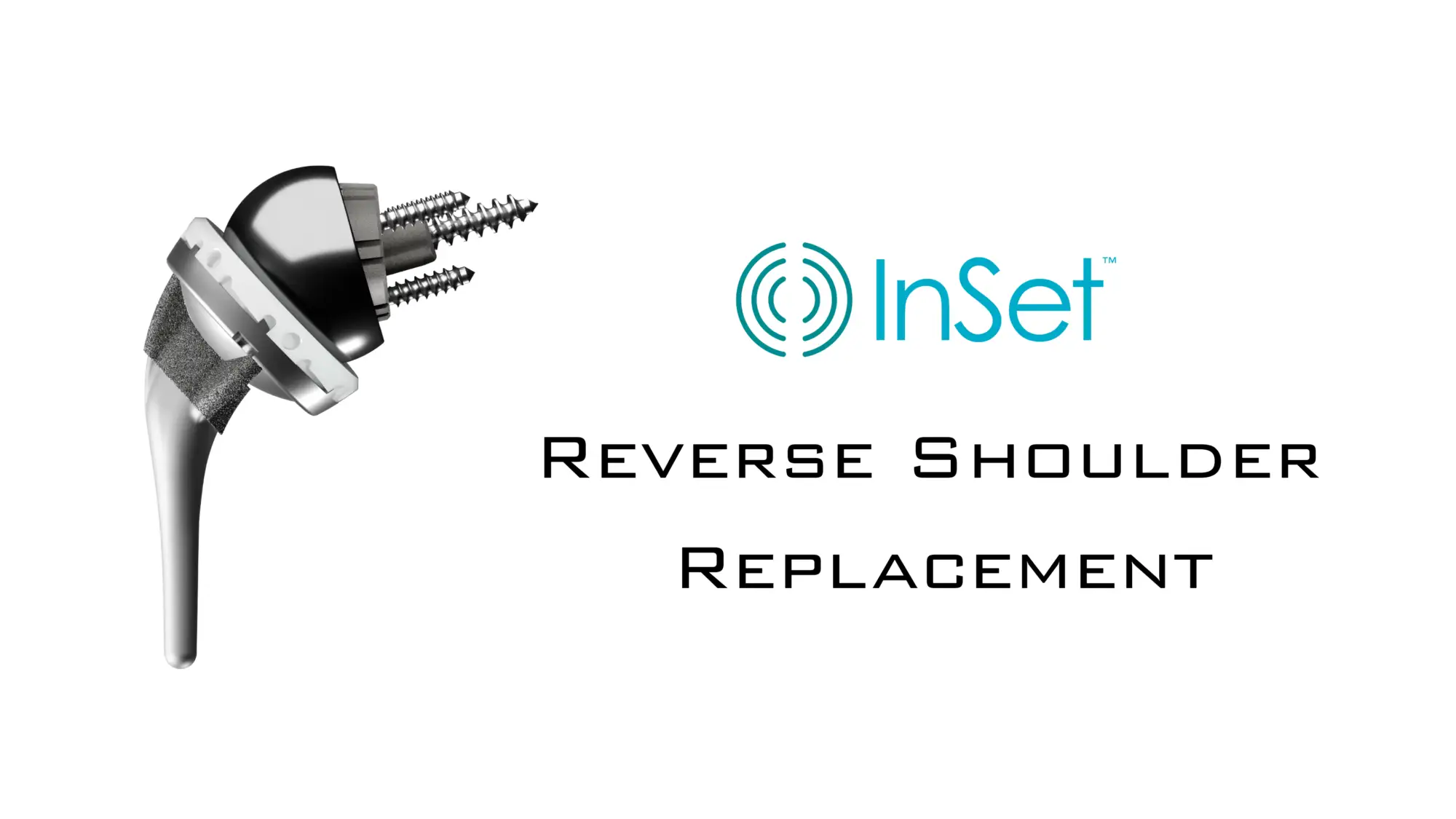

This reversal of components is particularly beneficial for patients with significant rotator cuff damage. While traditional replacements rely on a functional rotator cuff, reverse replacements shift the responsibility for movement to the deltoid muscle.
Following the surgery, many patients experience improved shoulder mobility, enabling them to perform tasks that were previously challenging.
Anatomy of the Shoulder Joint
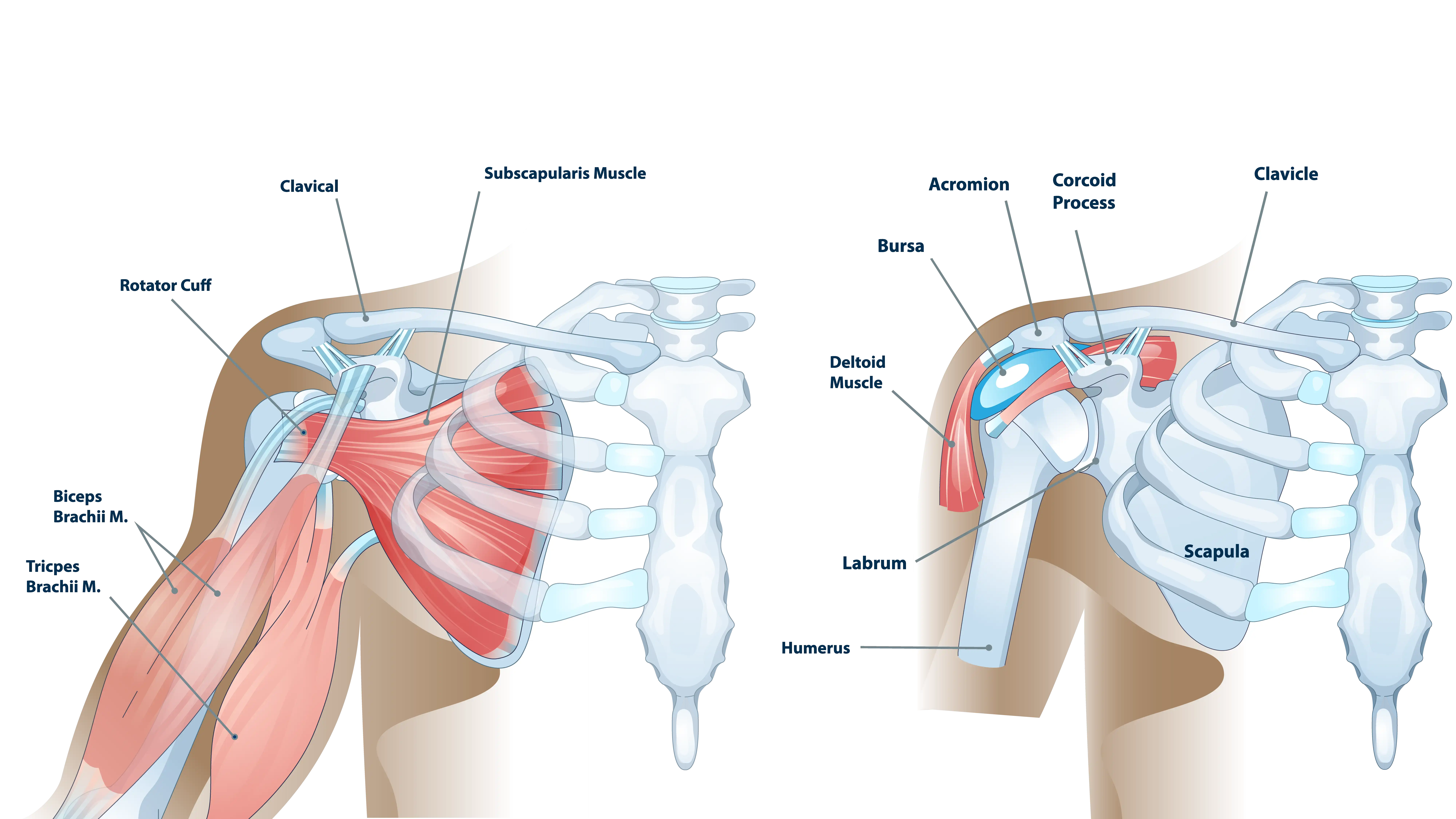
The shoulder joint, also known as the glenohumeral joint, is a ball-and-socket joint that allows for a wide range of motion. It is composed of three main bones: the humerus (upper arm bone), the scapula (shoulder blade), and the clavicle (collarbone).
The stability and movement of the shoulder are largely enabled by the rotator cuff, a group of four muscles. The deltoid muscle is essential for motions such as lifting the arm. Supporting ligaments, including the glenohumeral ligaments, further stabilize the shoulder joint.
Together, these muscles and ligaments ensure that the shoulder can move in all directions, providing a remarkable range of motion. However, this mobility comes at a cost. Due to its complexity, the shoulder joint is susceptible to injury.
Why Consider a Reverse Shoulder Replacement?
Reverse shoulder replacement is typically recommended for certain conditions when nonsurgical treatments fail to relieve shoulder pain or restore function. One of the primary indications for this surgery is rotator cuff tear arthropathy, where the rotator cuff tendons are severely damaged. Patients with fully torn rotator cuffs are also candidates for this procedure.
Persistent shoulder pain, especially at rest, may indicate a worsening shoulder condition that may require surgical intervention. Pain interfering with quality of life is a compelling reason to consider reverse shoulder replacement. In qualifying patients, surgical intervention has been found to relieve pain, restore function, and help prevent further degeneration.
Who is a Good Candidate for Reverse Shoulder Replacement?
Not every patient with persistent shoulder pain is a candidate for reverse shoulder replacement. This procedure is typically reserved for individuals with specific conditions that impact shoulder function and quality of life.
The most common candidates for reverse shoulder replacement include:
- Patients with irreparable rotator cuff tears that have led to loss of function
- Individuals with rotator cuff tear arthropathy, where both the rotator cuff and the joint surface are damaged
- Patients with severe shoulder arthritis in cases where conventional shoulder replacement is not a viable option
A comprehensive evaluation by a shoulder specialist, including imaging, medical history, and physical examination, is important to determine whether reverse shoulder replacement is the most appropriate option. Experienced orthopedic surgeons work closely with patients to weigh the potential benefits and risks, ensuring that the decision aligns with the patient’s health needs, goals, and lifestyle.
The Reverse Shoulder Replacement Procedure
The reverse shoulder replacement procedure typically includes the following steps:
- Administering general anesthesia
- Making an incision on the front or side of the shoulder
- Repositioning soft tissues to access the joint
- Attaching a metal ball to the top of the shoulder blade (glenoid) and a plastic socket to the upper arm bone (humerus)
Imaging techniques are often used to ensure the precise placement of these components. The entire procedure usually takes under two hours. Once the new components are securely in place, the incision is closed, and the patient is moved to the recovery area.
Postoperative Care and Recovery
Recovery begins immediately after surgery. Commitment to the rehabilitation plan provided by your surgeon is essential for achieving the best outcome. Physical therapy often begins as early as the next day, focusing first on passive range-of-motion exercises.
The goal of physical therapy is to help the patient gradually regain strength and mobility in the shoulder. The guided rehabilitation program progresses over time to fit the patient’s needs, moving to active range-of-motion exercises, and then to strengthening exercises.
Many patients see significant improvement in comfort and function within three to four months. Patients should avoid overhead reaching and heavy lifting until they have received guidance and clearance from their surgeon. Regular follow-up appointments help ensure recovery is on track.
Benefits of Reverse Shoulder Replacement
One of the primary advantages many patients report following reverse shoulder replacement is pain reduction, which can lead to an improved quality of life. Patients also often experience enhanced range of motion and strength post-surgery, allowing for more fluid arm movement and the ability to perform daily activities with greater ease.
These improvements often lead to enhanced independence and the ability to resume daily activities with greater comfort. By addressing the underlying damage and changing the joint mechanics, reverse shoulder replacement has been found to offer significant benefits to many patients.
Summary
Reverse shoulder replacement has been found to offer significant benefits for those suffering from severe shoulder conditions. It can be especially helpful for those with irreparable rotator cuff injuries.
By understanding the anatomy of the shoulder, the reasons for considering this surgery, and the detailed procedure and recovery process, patients can make informed decisions about their treatment options. With benefits including pain reduction, improved mobility, and enhanced quality of life, reverse shoulder replacement can be an excellent option for qualified patients.
Frequently Asked Questions
What are the primary conditions that necessitate a reverse shoulder replacement?
Reverse shoulder replacement is primarily recommended for patients with severe rotator cuff tear arthropathy or other conditions that do not respond to nonsurgical treatment. These conditions typically indicate the need for surgical intervention to restore function and alleviate pain.
How does reverse shoulder replacement differ from traditional shoulder replacement?
Reverse shoulder replacement differs from traditional shoulder replacement primarily in the placement of components. It reverses the position of the ball and socket, allowing the deltoid muscle to power shoulder movement instead of the rotator cuff.
What should patients expect during the recovery process?
Recovery typically begins the day after surgery with physical therapy focused on regaining motion and strength. Many patients see major improvements in pain relief and mobility within three to four months, but exact recovery guidelines and timelines may differ between patients.
What are the risks of reverse shoulder replacement surgery?
Like any surgery, reverse shoulder replacement carries some risks, including infection and implant loosening. These are important to discuss with your surgeon during the planning and preparation process.
What are the benefits of undergoing reverse shoulder replacement surgery?
Many patients report pain relief, better range of motion, improved strength, and greater shoulder stability. Reverse shoulder replacement surgery aims to help patients return to most daily activities and experience an improved quality of life.