



One of the most common questions patients ask after surgery is, “When can you drive after reverse shoulder replacement?” From getting to work to running errands and picking up prescriptions, most of us rely on our cars more than we realize. When surgery temporarily takes that independence away, even for just a few weeks, it can feel really disorienting. The timeline for returning to driving may look different for different people, and a number of factors influence when it may be safe specifically for you.
Key Takeaways
- Many patients may be able to resume driving sometime between six weeks and three months following reverse shoulder replacement, depending on factors such as recovery progress, shoulder strength, range of motion, and whether they are still taking medications that may impair driving.
- Patients who had surgery on their non-dominant arm may receive driving clearance earlier than those who had surgery on their dominant arm.
- Always get explicit clearance from your surgeon before getting behind the wheel.
What Is Reverse Shoulder Replacement, and Why Does It Affect Driving?
To understand why driving takes time after reverse shoulder replacement, it helps to understand the surgery itself. Reverse shoulder arthroplasty is a procedure designed for patients with significant shoulder damage. Common reasons a surgeon might recommend reverse shoulder replacement include large rotator cuff tears, cuff tear arthropathy (a condition combining rotator cuff damage with arthritis), advanced shoulder arthritis, and complex fractures that can’t be managed with less invasive approaches.
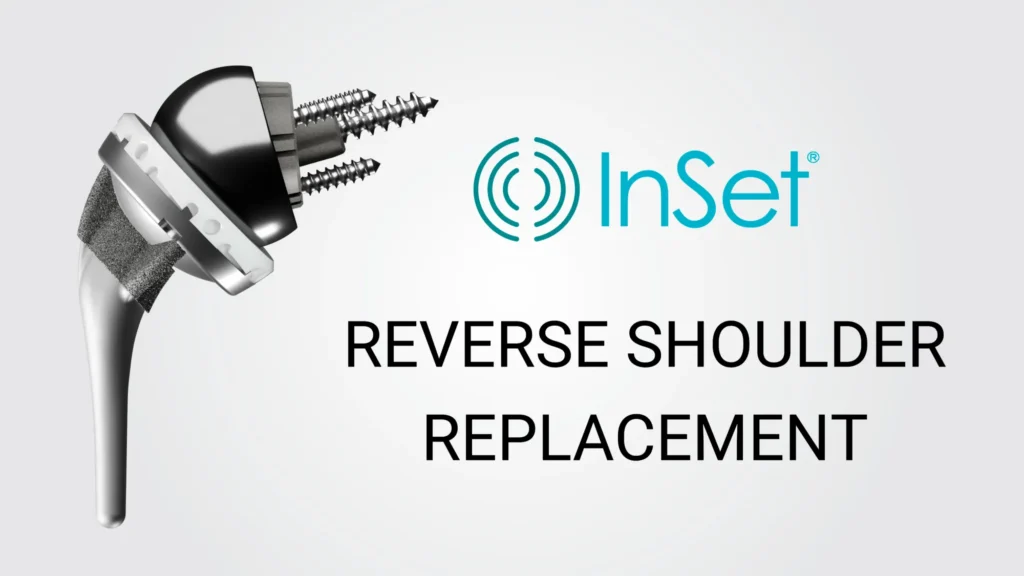
Anatomic total shoulder replacement mirrors normal anatomy. Reverse shoulder replacement does something fundamentally different, as it reverses the ball and socket. The ball component is placed on the socket side of the joint (the glenoid, part of the shoulder blade), and the socket component goes on the arm side (the humerus). This reversed configuration allows the deltoid muscle, a large, powerful muscle wrapping around the top of the shoulder, to take over arm movement in place of a damaged or non-functional rotator cuff.
After reverse shoulder replacement, soft tissues surrounding the shoulder need time to heal. The deltoid muscle, which takes on a larger role in moving the arm after this procedure, requires time and rehabilitation to regain strength and coordination. Driving requires your arm to be strong, stable, and responsive, and those qualities take time to rebuild after a procedure of this magnitude. That’s why getting back behind the wheel isn’t immediate.
General Timeline: When Can You Drive After Reverse Shoulder Replacement?
So, when can you drive after reverse shoulder replacement? There’s no single answer that applies to everyone. That said, here’s what many patients can generally expect.
For the first several weeks after surgery, typically around four to six weeks, most patients wear a sling to protect the healing joint. Driving during this time isn’t advisable. The shoulder is in a vulnerable phase of recovery, and putting the arm under the demands of steering could disrupt that healing process.
Coming out of the sling doesn’t automatically mean the shoulder is ready. Adequate strength, range of motion, and overall joint stability all need to be present before driving is safe. Patients can commonly resume driving between six weeks to three months post-surgery, depending on a variety of factors. Your timeline may look different based on your health history, the complexity of your surgery, your overall recovery progress, and your surgeon’s clinical judgment.
Key Factors That Influence Your Driving Timeline
Several things can shift your return-to-driving timeline in either direction. Understanding these factors in advance can help you set realistic expectations and plan accordingly.
Which Arm Was Operated On
If the surgery involved your non-dominant arm, you may reach driving clearance more quickly. Your dominant arm handles the most precise and forceful aspects of driving, including quick steering corrections, emergency maneuvers, and sustained grip.
Pain Medication Use
Prescription pain medication, particularly opioids, can significantly slow reaction time and impair judgment. Many surgeons recommend avoiding driving while taking opioid or other sedating pain medications because these medications can impair reaction time and judgment. This is a matter of safety and of legal responsibility.
Strength and Range of Motion
Safe driving requires you to grip the steering wheel, rotate your head to check blind spots, and move your arm quickly and with control when needed. Physical therapy works to rebuild these capacities progressively. Your surgeon and physical therapist will likely assess these parameters as part of evaluating your readiness to drive.
Practical Tips for Managing Without a Car
Being car-free for several weeks to months can feel surprisingly disruptive. A little advance planning goes a long way.
- Set up your support system before surgery. Ask friends, family, or neighbors if they’re available to help with rides during the first few weeks. Having a plan in place before your surgery date removes a lot of stress during early recovery.
- Use ride-sharing services. In many areas, these can be a reliable way to get to appointments, run short errands, and maintain some independence without relying on anyone else’s schedule.
- Order groceries and essentials online. Most major grocery chains offer home delivery, which can be a real lifesaver in the first couple of weeks after surgery.
- Batch your errands. When someone is available to drive you, try to knock out multiple tasks in one trip to reduce the total number of rides you need.
Most patients find the first two to three weeks after surgery to be the most logistically demanding. As recovery progresses and activity levels expand, things tend to get noticeably easier.
When to Contact Your Surgeon’s Office
Recovery from reverse shoulder replacement isn’t always a straight line. Better days and harder days are both part of the process, and some fluctuation is completely normal. That said, certain symptoms warrant a call to the office regardless of where you are in your recovery timeline.
Reach out to your surgeon’s office if you notice any of the following:
- A sudden or significant increase in shoulder pain or swelling that doesn’t seem related to physical activity
- Redness, warmth, or any unusual discharge near the incision site
- A fever, which may be an early sign of infection
- A feeling that the shoulder joint has shifted, “popped,” or feels loose or unstable
- Significant or progressively worsening numbness or weakness in the arm
These symptoms don’t automatically mean something has gone seriously wrong. But they do warrant prompt evaluation. Catching potential complications early can help support better outcomes overall.
Summary
When can you drive after reverse shoulder replacement? The honest answer is: it depends. Most patients may be ready somewhere between six weeks and three months following surgery, based on factors like which arm was operated on, pain medication status, how well recovery is progressing, and the type of vehicle they drive. An experienced shoulder surgeon can give you an estimate based on your individual health.
Frequently Asked Questions
How long after reverse shoulder replacement can I drive?
Most patients may be able to resume driving somewhere between six weeks and three months after surgery. The exact timeline depends on factors like which arm was operated on, your overall recovery progress, and whether you’ve discontinued prescription pain medication. Your surgeon will provide personalized guidance based on your specific recovery.
Can I drive if my non-dominant arm was operated on?
If your surgery was on your non-dominant arm and recovery is progressing well, some patients may receive driving clearance as early as six to eight weeks post-surgery. That said, this isn’t a timeline you should assume applies automatically. Your surgeon’s assessment matters, and individual recovery varies considerably.
Does pain medication affect when I can drive?
It can. Prescription pain medications, particularly opioids, may impair reaction time and judgment. Patients are typically advised not to drive while taking opioid or other medications that may impair alertness or reaction time.
What can I do to get back to driving faster?
The most impactful step you can take is committing fully to your physical therapy program. Rebuilding shoulder strength and range of motion is the foundation of driving readiness. Attending therapy sessions consistently, following your home exercise program, and keeping all follow-up appointments with your doctor give you the best chance of reaching driving milestones efficiently and safely.