



Shoulder pain can interfere with daily activities, disrupt sleep, and impact your quality of life. While many conditions can cause shoulder discomfort, one common cause is arthritis. Understanding the signs of shoulder arthritis is an important first step toward finding relief. In this post, we’ll explore how to know if you have arthritis in your shoulder, taking a look at its symptoms, causes, and the diagnostic process.
Key Takeaways
- Shoulder arthritis is a condition where the shoulder joint becomes damaged, often due to cartilage wear, inflammation, or both, leading to pain, stiffness, and loss of motion.
- The most common symptoms include a deep, aching pain in the shoulder, limited range of motion, and a grinding or popping sensation with movement.
- Several types of arthritis can affect the shoulder, including osteoarthritis, rheumatoid arthritis, and post-traumatic arthritis.
Understanding the Shoulder Joint
To understand shoulder arthritis, it can be helpful to first understand the basic anatomy of the shoulder. The shoulder is one of the most mobile joints in the body. It is a ball-and-socket joint, composed of three main bones: the upper arm bone (humerus), the shoulder blade (scapula), and the collarbone (clavicle). The head of the humerus fits into a shallow socket on the scapula called the glenoid. A smooth, slippery tissue called articular cartilage covers the surfaces of the ball and socket. This cartilage allows the bones to glide smoothly against each other during movement. A group of muscles and tendons known as the rotator cuff holds the shoulder joint in place and provides the strength to lift and rotate the arm.
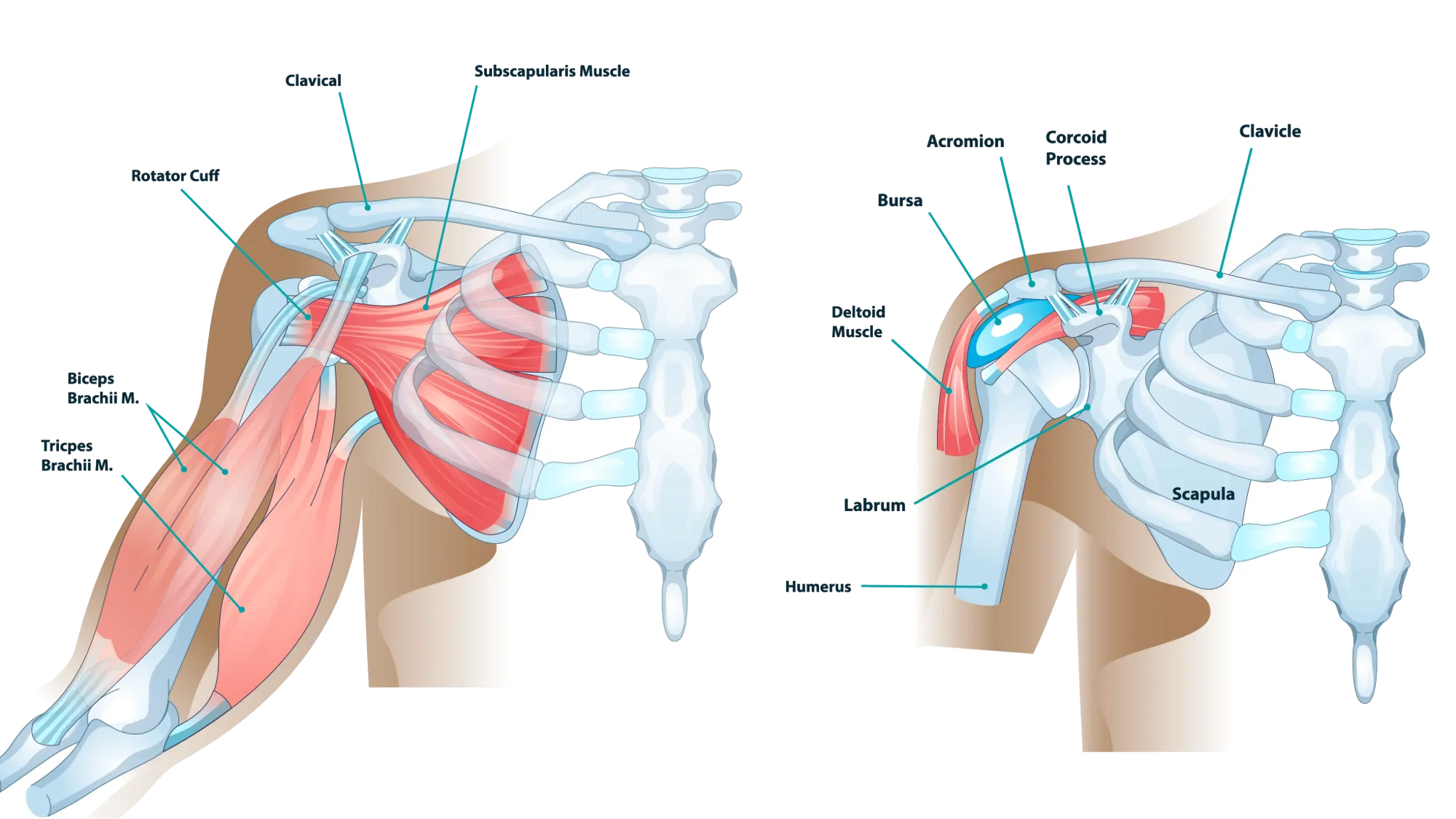
There are actually two joints in the shoulder that can be affected by arthritis. The main joint is the glenohumeral joint, which is the ball-and-socket joint. The other is the acromioclavicular (AC) joint, where the collarbone meets the tip of the shoulder blade.
What is Shoulder Arthritis?
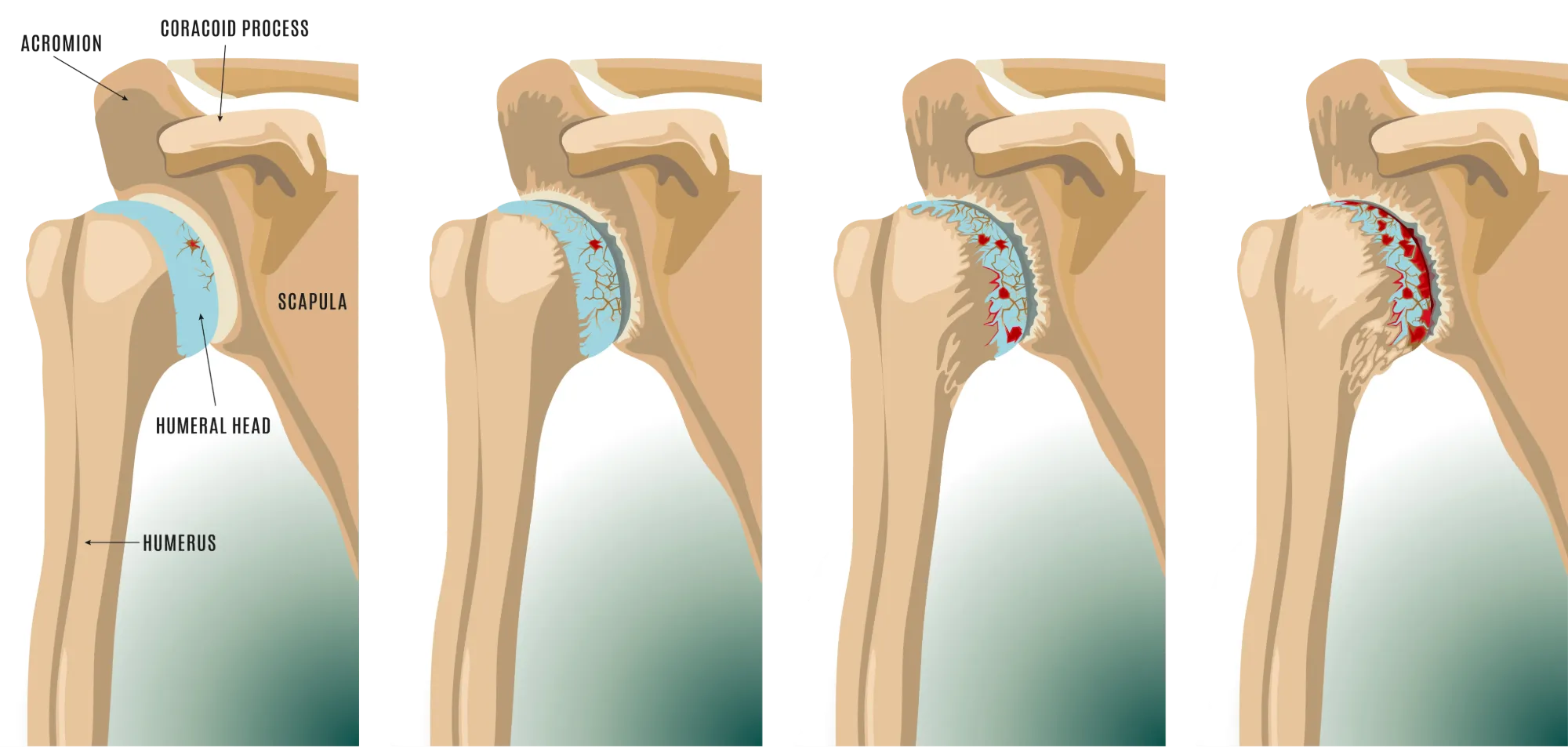
Shoulder arthritis is the inflammation of one or both of these shoulder joints. This inflammation leads to the gradual breakdown and loss of the protective articular cartilage. As the cartilage wears away, the protective space between the bones decreases. This can cause the bones to rub directly against each other, leading to pain, stiffness, and a decreased range of motion. The friction from bone-on-bone contact can also lead to the formation of bone spurs (osteophytes), which may further limit joint movement and contribute to pain.
Types of Shoulder Arthritis
Several types of arthritis can affect the shoulder. Each has different causes and may affect the joint in slightly different ways. An accurate diagnosis of the specific type of arthritis is important for guiding the most effective treatment plan.
- Osteoarthritis: This is the most common form of arthritis and is often referred to as “wear-and-tear” arthritis. It occurs as the cartilage in the shoulder joint gradually wears down over time. Osteoarthritis typically affects people over the age of 50.
- Rheumatoid Arthritis: This is a chronic autoimmune disease, which means the body’s immune system mistakenly attacks its own tissues. In the case of rheumatoid arthritis, the immune system attacks the synovium, the lining of the joints. Rheumatoid arthritis often affects multiple joints in the body, and it is common for both shoulders to be involved.
- Post-traumatic Arthritis: This form of arthritis develops after a shoulder injury, such as a fracture or dislocation. The injury can damage the articular cartilage directly, leading to premature wear and tear. Symptoms of post-traumatic arthritis may not appear until years after the initial injury.
- Rotator Cuff Tear Arthropathy: This condition may develop after a large, long-standing tear of the rotator cuff tendons. The rotator cuff helps to keep the head of the humerus centered in the glenoid socket. When it is torn, the humerus can move upward and rub against the acromion (the top of the shoulder blade). This abnormal movement can damage the cartilage and lead to arthritis.
- Avascular Necrosis (AVN): This is a less common condition that occurs when the blood supply to the head of the humerus is disrupted. Without an adequate blood supply, the bone cells die, and the humeral head can collapse.
How to Know if You Have Arthritis in Your Shoulder
While symptoms can vary from person to person and depend on the type and severity of the arthritis, there are several common indicators that suggest arthritis may be the cause of your shoulder discomfort.
Persistent Shoulder Pain
The most common symptom of shoulder arthritis is pain. Initially, the pain may be mild and only noticeable during or after certain activities. You might feel a dull ache deep within the shoulder joint. As the condition progresses, the pain often becomes more constant and can occur even at rest. The location of the pain can also provide clues. If the main glenohumeral joint is affected, the pain is typically felt on the side or back of the shoulder. If the AC joint is the source, the pain is usually focused on the top of the shoulder.
Stiffness and Loss of Motion
Another key sign of shoulder arthritis is a noticeable loss of range of motion. You might struggle to lift your arm to reach for something on a high shelf, comb your hair, or fasten a seatbelt. This limitation in movement is often gradual. You may not realize how much motion you have lost until you try to perform a specific task and find you are unable to do so without pain or difficulty.
Pain at Night
For many individuals with shoulder arthritis, the pain becomes particularly troublesome at night. It can be difficult to find a comfortable sleeping position, and the pain may even wake you from sleep. Lying on the affected shoulder often makes the pain worse.
A Grinding or Popping Sensation (Crepitus)
As the cartilage in the shoulder joint wears away, the smooth surfaces of the bones become rough. This can lead to a sensation of grinding, clicking, or popping within the shoulder during movement. This is known as crepitus. While crepitus can sometimes be painless, it is often accompanied by discomfort and is a possible indicator that the joint surfaces are no longer gliding smoothly.
Weakness in the Shoulder
As shoulder arthritis progresses, you may experience weakness in the shoulder and arm. This can make it difficult to lift or carry objects. The weakness may be due to pain inhibiting muscle function or, in advanced cases like rotator cuff tear arthropathy, due to the underlying structural damage to the joint and surrounding tendons.
Diagnosing Shoulder Arthritis
To determine if you have shoulder arthritis, a doctor will typically perform a comprehensive evaluation that includes a review of your medical history, a physical examination, and imaging tests. This thorough process helps to confirm the diagnosis, identify the type of arthritis, and rule out other potential causes of your shoulder pain.
Medical History and Physical Examination
Your doctor may begin by asking you about your symptoms, including when the pain started, what makes it better or worse, and how it affects your daily life. They will also ask about any previous shoulder injuries, your family medical history, and any other health conditions you may have.
Next, your doctor will conduct a physical examination of your shoulder. They will look for signs of muscle weakness, tenderness, and swelling. They may also assess your shoulder’s range of motion by asking you to move your arm in various directions (active range of motion) and by gently moving your arm for you (passive range of motion). Specific tests may also be performed to check for any signs of injury to the muscles, tendons, and ligaments surrounding the joint.
Imaging Tests
To confirm the diagnosis and get a better look at the condition of your shoulder joint, your doctor will likely order imaging tests.
- X-rays: This is usually the first imaging test performed. X-rays can clearly show the bones of the shoulder joint and can reveal key signs of arthritis, such as a narrowing of the joint space, changes in the bone, and the presence of bone spurs.
- Magnetic Resonance Imaging (MRI) and Computed Tomography (CT) Scans: In some cases, your doctor may order an MRI or CT scan. An MRI provides detailed images of the soft tissues, including the cartilage, tendons, and ligaments, which can be helpful in assessing the extent of cartilage damage and identifying any associated rotator cuff problems. A CT scan can provide a more detailed view of the bones and may be used to further evaluate the bone structure.
Treatment Options for Shoulder Arthritis
Once a diagnosis of shoulder arthritis is confirmed, there are many treatment options available to help manage pain and improve function. The best treatment plan for you will depend on the type and severity of your arthritis, your age, and your activity level. Treatment typically begins with non-surgical approaches.
Non-Surgical Treatments
The initial focus of treatment is often on conservative measures to reduce pain and inflammation. Treatments may include:
- Activity Modification: Your doctor may recommend avoiding or modifying activities that aggravate your shoulder pain. This might involve simple changes, such as using your other arm for heavy lifting or avoiding repetitive overhead movements.
- Physical Therapy: A physical therapist can design a customized exercise program to help improve your shoulder’s range of motion, flexibility, and strength.
- Pain and Anti-Inflammatory Medications: Over-the-counter nonsteroidal anti-inflammatory drugs (NSAIDs), such as ibuprofen or naproxen, can be effective in reducing both pain and inflammation.
- Corticosteroid Injections: Your doctor may recommend injecting a corticosteroid directly into the shoulder joint. Corticosteroids are powerful anti-inflammatory medications that can provide temporary, but significant, pain relief.
- Ice and Heat Therapy: Applying ice to the shoulder for 20-30 minutes a few times a day can help reduce inflammation and numb the pain. Applying moist heat can help relax tense muscles and ease stiffness.
Surgical Treatments
If non-surgical treatments do not provide adequate relief and the pain impacts your quality of life, your doctor may discuss surgical options with you.
- Arthroscopy: In cases of mild to moderate arthritis, a surgeon may perform a minimally invasive procedure called arthroscopy. This involves inserting a small camera and surgical instruments through small incisions to clean out the inside of the joint. The surgeon can remove loose pieces of cartilage and smooth out irregular surfaces. However, it does not reverse arthritis, and results can be temporary, particularly in more advanced disease.
- Shoulder Replacement Surgery (Arthroplasty): For advanced shoulder arthritis, shoulder replacement surgery may be a recommended treatment. This procedure involves removing the damaged parts of the shoulder joint and replacing them with artificial components. There are different types of shoulder replacement surgery, including total shoulder replacement and reverse shoulder replacement.
An experienced shoulder surgeon can guide the best treatment plan for you based on your specific condition.
Summary
Knowing if you have arthritis in your shoulder involves paying attention to the key symptoms of persistent pain, stiffness, and grinding sensations. While a diagnosis of shoulder arthritis can be concerning, it is important to remember that there are many treatments available. From lifestyle modifications and physical therapy to advanced surgical procedures like shoulder replacement, there are numerous paths to finding relief.
Frequently Asked Questions
Can I still exercise with shoulder arthritis?
In many cases, exercise is a recommended part of managing shoulder arthritis. However, it is important to choose the right kind of exercises. Low-impact activities like swimming, water aerobics, and gentle stretching can help maintain range of motion and strengthen the muscles around the shoulder without putting too much stress on the joint. Your specialist and physical therapist can provide guidance on which exercises are safe for your specific condition.
How long does it take to recover from shoulder replacement surgery?
Recovery from shoulder replacement surgery varies from person to person and depends on several factors, including the type of surgery performed and your overall health. In general, you can expect to be in a sling for several weeks after surgery. A physical therapy program typically begins soon after the procedure. Your surgeon will provide you with a detailed recovery timeline and guidelines.
What is the difference between shoulder arthritis and a rotator cuff tear?
Shoulder arthritis and a rotator cuff tear can have similar symptoms, such as pain and weakness, but they are different conditions. Shoulder arthritis involves the loss of cartilage in the joint, leading to bone-on-bone friction. A rotator cuff tear is an injury to the group of tendons and muscles that stabilize the shoulder. While a long-standing, large rotator cuff tear can lead to a specific type of arthritis (rotator cuff tear arthropathy), the two conditions are distinct.