



Shoulder pain can significantly impact your quality of life, limiting daily activities and disrupting sleep. When conservative treatments no longer provide adequate relief, shoulder replacement surgery may offer a path to restored function and reduced pain. In this post, we’ll take a closer look at this procedure, including navigating the preparation phase and supporting a smooth recovery.
Key Takeaways
- Preparation for shoulder replacement surgery may include a medical evaluation, medication review, physical conditioning, and home modifications.
- Recovery is an active process requiring commitment to physical therapy, adherence to post-operative instructions, and patience.
- Effective pain management strategies are typically a key component of recovery, supporting comfort and facilitating participation in rehabilitation.
Understanding Shoulder Replacement Surgery: What to Expect from the Procedure
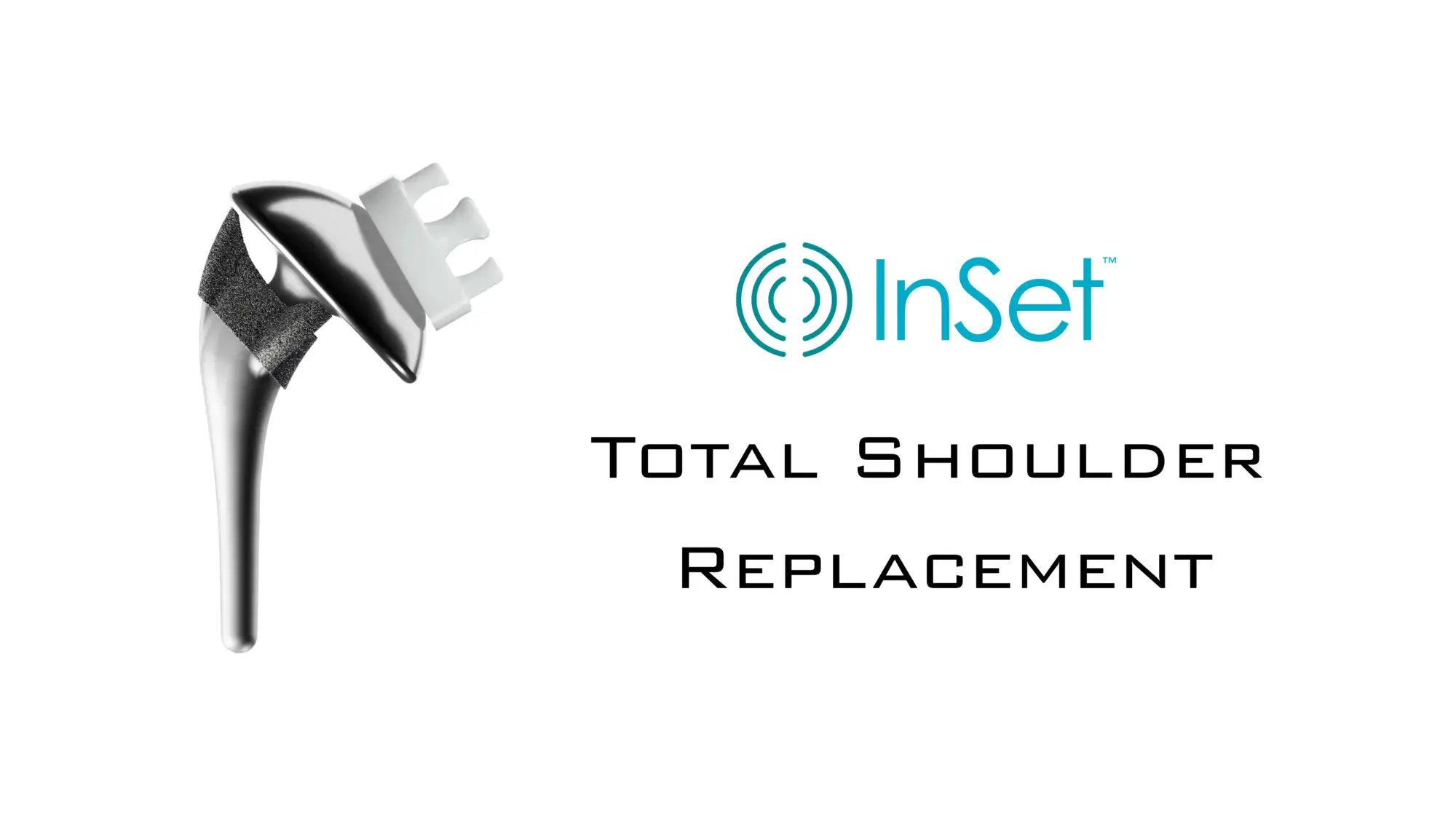
Shoulder replacement surgery involves replacing damaged parts of the shoulder joint with artificial components, known as prostheses. The goal is to alleviate pain and restore motion and function to the shoulder. There are primarily two types of shoulder replacement surgeries: total shoulder replacement (anatomic) and reverse total shoulder replacement.
Total Shoulder Replacement (Anatomic Shoulder Replacement)
Total shoulder replacement is typically recommended for patients suffering from severe shoulder arthritis where the rotator cuff tendons are intact and functioning well. In a healthy shoulder, the humeral head (the ball at the top of the upper arm bone) fits into the glenoid (the socket in the shoulder blade). Both surfaces are covered with cartilage, allowing for smooth movement. In total shoulder replacement, both the ball and socket components are replaced to replicate the natural anatomy of the shoulder, restoring the normal ball-and-socket mechanics.
Reverse Shoulder Replacement
Reverse shoulder replacement is a specialized procedure designed for individuals with specific shoulder conditions, most notably large, irreparable rotator cuff tears accompanied by arthritis, a condition known as cuff tear arthropathy. It may also be recommended for severe shoulder fractures.
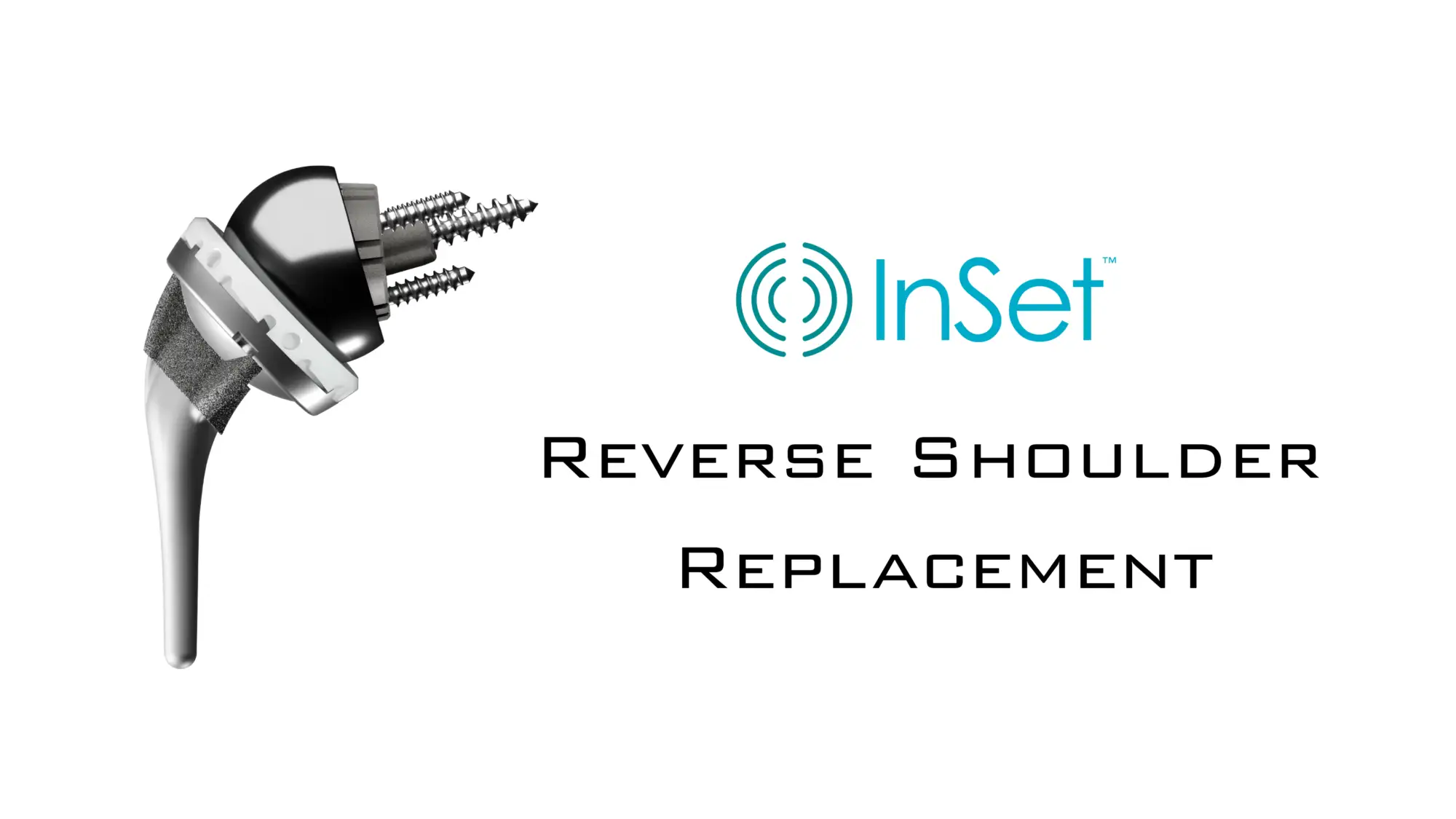
Unlike a traditional total shoulder replacement, the reverse procedure alters the natural ball-and-socket configuration. In a reverse shoulder replacement, the ball component is fixed to the shoulder blade (glenoid), and the socket component is attached to the top of the humerus. This ‘reverse’ anatomy changes the biomechanics of the shoulder, allowing the deltoid muscle to become the primary mover of the arm, compensating for a non-functional rotator cuff.
The Surgical Process
Shoulder replacement surgery is typically performed under general anesthesia. The surgeon makes an incision to access the joint. The damaged bone and cartilage are carefully removed, and the artificial components are implanted. The procedure usually takes a few hours. After the components are securely in place, the surgeon closes the incision.
Your surgeon will discuss the specifics of your procedure, including the type of implant, potential risks, and expected outcomes, during your consultations. It’s important to have a clear understanding of the surgical plan and to ask any questions you may have before the day of surgery.
The Preparation Phase: Setting the Stage for Success
Thorough preparation often involves a series of medical evaluations, lifestyle adjustments, and practical arrangements designed to prepare you for surgery. Engaging actively in this preparatory period empowers you to approach your surgery with confidence.
Medical Evaluation and Optimization
Before your surgery, patients generally undergo a comprehensive medical evaluation. This typically includes:
- Physical Examination: The surgeon will conduct a thorough examination of your shoulder, assessing your range of motion, strength, and overall joint health. They will review your medical history, including any pre-existing conditions, medications, and allergies.
- Imaging Studies: X-rays, MRI, or CT scans may be performed to provide detailed images of your shoulder joint, helping your surgeon plan the precise surgical approach.
- Blood Tests and Urinalysis: These tests help assess your general health, kidney and liver function, and rule out any infections or other conditions that could complicate surgery or recovery.
- Cardiac Evaluation: Depending on your age and medical history, an electrocardiogram (ECG) or other cardiac tests may be required.
- Medication Review: You will need to discuss all medications, supplements, and herbal remedies you are taking with your surgeon or anesthesiologist. Certain medications may need to be stopped several days or weeks before surgery. Your doctor will provide specific instructions on which medications to discontinue and when.
Lifestyle Adjustments
Making certain lifestyle adjustments before surgery can help support your recovery process. Consider the following strategies:
- Balanced Nutrition: A healthy, balanced diet supports healing. Focus on nutrient-rich foods, including lean proteins, fruits, vegetables, and whole grains.
- Reduced Alcohol Consumption: Patients may be recommended to reduce or eliminate alcohol intake before surgery, as it can interfere with anesthesia and medication.
- Smoking Cessation: Smoking may impair circulation, delay wound healing, and increase the risk of certain complications.
- Exercise (Pre-habilitation): Your surgeon or physical therapist may recommend specific exercises to strengthen the muscles around your shoulder and improve your overall physical condition ahead of surgery.
Practical Preparations
Preparing your home and daily routine in advance can make your post-operative period smoother. Strategies include:
- Home Modifications: Arrange your living space to minimize the need to reach, lift, or strain your shoulder. This might involve moving frequently used items to easily accessible locations, setting up a comfortable recovery area with everything you need within reach, and removing tripping hazards. Consider a recliner or wedge pillow for sleeping, as you may need to sleep in a semi-upright position for a period.
- Transportation: Arrange for someone to drive you home from the hospital and assist you with transportation for follow-up appointments.
- Personal Care: Stock up on easy-to-prepare meals, comfortable clothing that is easy to put on and take off (e.g., loose-fitting shirts), and any necessary personal hygiene items.
- Support System: Enlist the help of family or friends for daily tasks such as cooking, cleaning, and personal care during your initial recovery period.
- Work and Financial Planning: Discuss your recovery timeline with your employer and make necessary arrangements for time off.
The Road to Recovery: What to Expect After Shoulder Replacement Surgery
Recovery after shoulder replacement surgery is a gradual process that may require patience, commitment, and adherence to your surgeon’s and physical therapist’s instructions. While the initial days and weeks focus on pain management and protecting the healing joint, the long-term goal is to restore strength, mobility, and function to your shoulder. Understanding the phases of recovery can help you manage expectations and actively participate in your rehabilitation.
Immediate Post-Operative Period
Immediately after surgery, you will be monitored closely in the recovery room. Some patients will be able to return home the same day, while others may be recommended to stay overnight. During this time, the focus will be on pain management and stabilization.
Your arm will likely be placed in a sling to protect the surgical site and keep your shoulder immobilized. The duration of sling use varies depending on the type of surgery and your surgeon’s protocol. Even with the sling, your physical therapist may guide you through gentle, passive range-of-motion exercises to prevent stiffness.
Mid-Phase Recovery
As your shoulder heals and pain subsides, your physical therapy program will typically progress to focus on active range of motion and strengthening. Your therapist may introduce active exercises where you use your own muscles to move your arm. Strengthening exercises may begin, initially with light resistance, to rebuild muscle around the shoulder joint.
You may be cleared to resume light, non-strenuous activities, such as walking, light housework, and desk work, as long as they do not involve the surgical arm or put excess stress on the shoulder.
Late-Phase Recovery and Long-Term Outlook
This phase focuses on advanced strengthening, endurance, and a gradual return to more demanding activities. Physical therapy will continue to focus on strengthening all muscles surrounding the shoulder and improving endurance. Functional exercises that mimic daily activities or sports-specific movements will likely be incorporated.
With your surgeon’s and therapist’s approval, you may gradually return to recreational activities, such as swimming, golfing, or light sports. High-impact sports or activities involving heavy lifting or forceful overhead movements may need to be avoided long-term to protect the implant.
Full recovery from shoulder replacement surgery can take anywhere from six months to a year, or even longer, depending on individual factors such as age, overall health, type of surgery, and adherence to rehabilitation. For many, shoulder replacement surgery provides an improvement in quality of life, allowing patients to enjoy daily activities with reduced pain.
Summary
By actively engaging in each phase of shoulder replacement surgery, from understanding the types of shoulder replacements to preparing the home environment for recovery, patients may enhance their surgical journey. Post-operatively, a phased approach to rehabilitation gradually rebuilds strength and mobility, guiding patients back to daily activities and, in many cases, a more active lifestyle. While the path to full recovery requires patience and dedication, the long-term benefits of reduced pain and improved shoulder function make shoulder replacement a potentially life-changing procedure for many.
Frequently Asked Questions
How long does shoulder replacement surgery take?
The surgical procedure itself typically takes between 1 and 3 hours, depending on the complexity of the case and the type of replacement (total or reverse). This does not include pre-operative preparation and post-operative recovery in the surgical suite.
Will I need physical therapy after shoulder replacement?
Physical therapy is often an important component of recovery after shoulder replacement surgery. It generally begins shortly after surgery and continues for several months. Adherence to your physical therapy program supports regaining strength, mobility, and function.
When can I drive after shoulder replacement surgery?
The ability to drive after shoulder replacement surgery varies, but most surgeons recommend waiting until you are no longer wearing a sling and have regained sufficient strength and control of your arm. Always follow your surgeon’s specific instructions.
What is the difference between total shoulder replacement and reverse shoulder replacement?
In a total shoulder replacement, the damaged ball (humeral head) and socket (glenoid) are replaced with prosthetic components that mimic the natural anatomy. In a reverse shoulder replacement, the ball and socket positions are reversed: a ball is placed on the shoulder blade, and a socket is placed on the humerus. This procedure may be used for patients with irreparable rotator cuff tears, as it allows the deltoid muscle to power arm movement.