
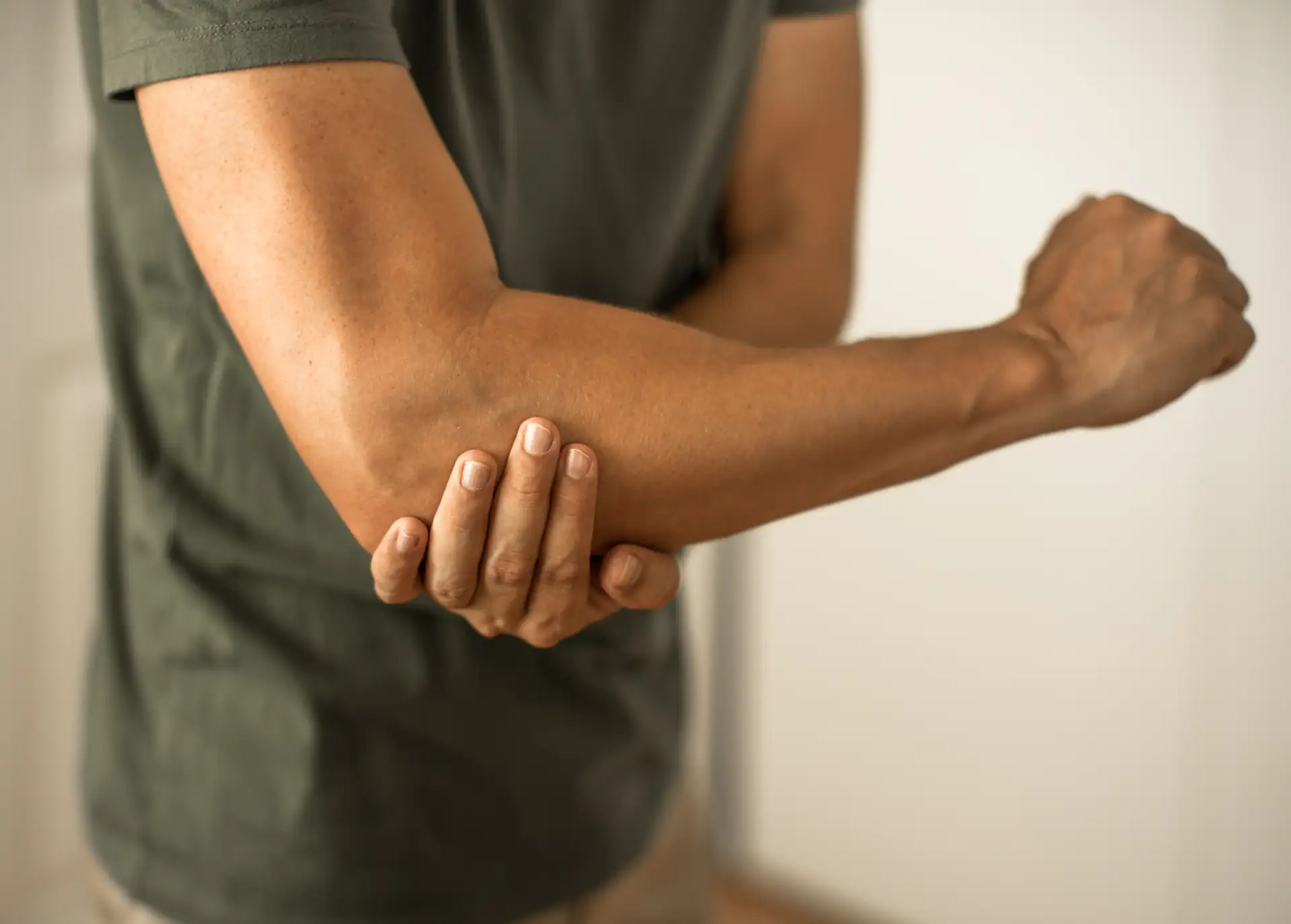


Pain in the inner elbow when extending the arm may result from repetitive stress, improper technique, or specific conditions like golfer’s elbow, ulnar nerve entrapment, or biceps tendinitis. In this post, we’ll explore some common causes of inner elbow pain during extension, along with possible treatments.
Key Takeaways
- Inner elbow pain during arm extension is frequently caused by conditions like golfer’s elbow, ulnar nerve entrapment, and biceps tendinitis, often due to overuse or improper technique.
- Treatment options include nonsurgical options such as rest, ice, gentle stretches, and over-the-counter medications, while persistent pain may require professional care like physical therapy or surgery.
- Preventive measures, including proper technique, regular stretching, and ergonomic adjustments in workspaces, can help maintain elbow health and reduce the risk of injury.
Common Causes of Inner Elbow Pain When Extending Arm
Inner elbow pain during extension is often linked to conditions such as golfer’s elbow, ulnar nerve entrapment, and biceps tendinitis. These issues typically stem from overuse, improper technique, or repetitive stress. In the following subsections, we’ll take a closer look at each of these conditions.
Golfer’s Elbow (Medial Epicondylitis)
Golfer’s elbow, or medial epicondylitis, is a possible cause of inner elbow pain. This condition results from overuse of the wrist and hand, particularly in sports like golf or racket sports. Weakness in the shoulder and wrist muscles can increase stress on the elbow and can lead to pain that radiates from the inner elbow to the wrist.
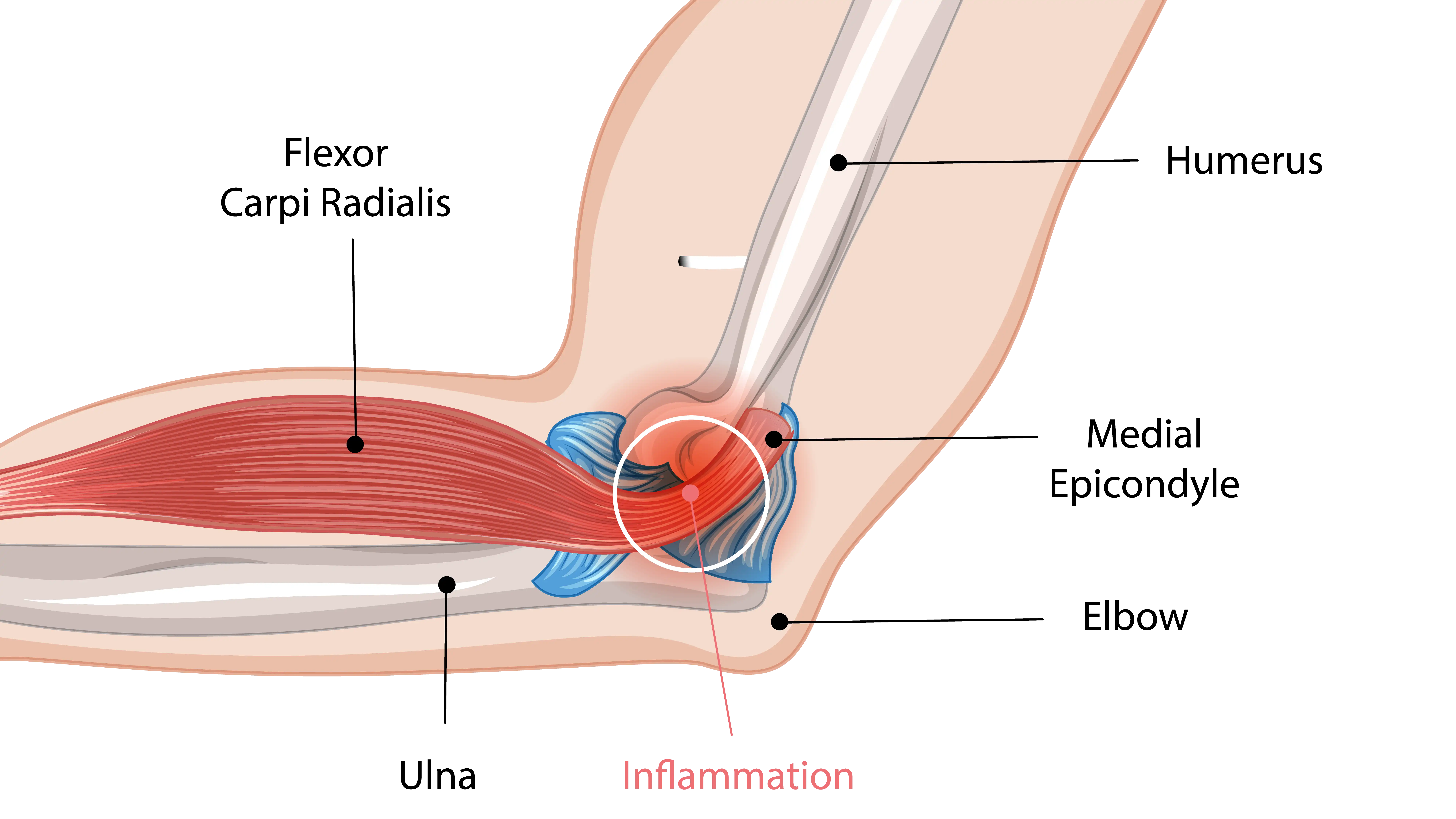
Symptoms often include pain and tenderness along the inside of the arm, sometimes accompanied by numbness or tingling.
Ulnar Nerve Entrapment
Ulnar nerve entrapment, or cubital tunnel syndrome, occurs when the ulnar nerve is compressed at the elbow. This condition can result from elbow overuse, direct pressure, or other underlying conditions.
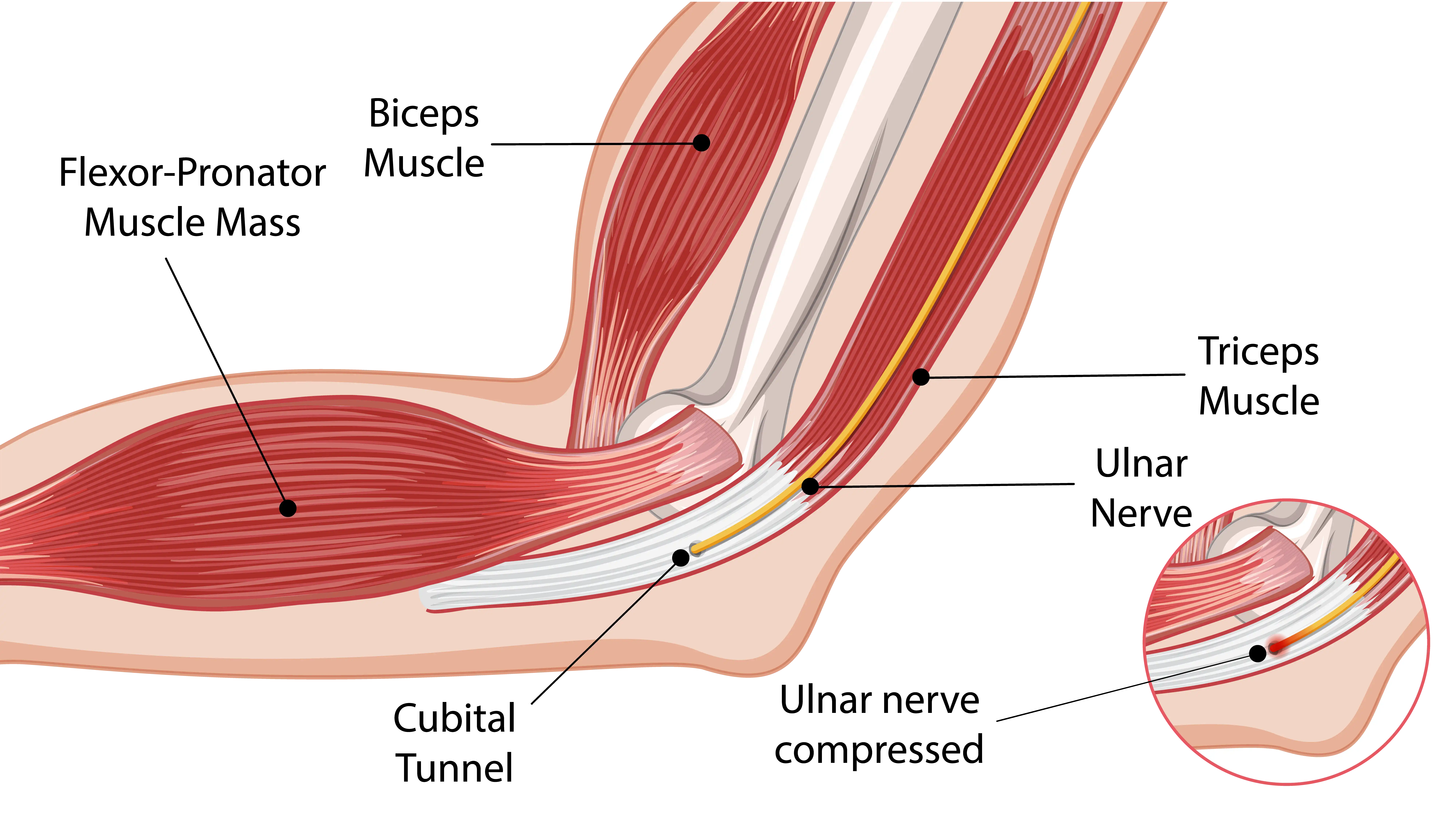
Symptoms may include pain in the elbow, as well as numbness and tingling in one or more fingers. These sensations can be particularly bothersome during daily activities involving arm movement.
Biceps Tendinitis
Biceps tendinitis involves inflammation of the tendons that connect the biceps muscle to the elbow. This condition is often caused by repetitive strain or overuse and may result in pain when extending the arm.
Other possible symptoms include a clicking sensation in the shoulder, limited range of motion, and arm weakness.
Other Contributing Factors
In addition to specific conditions, factors like poor posture, improper lifting technique, or a sudden increase in activity level can contribute to inner elbow pain. Individuals who type for long periods without proper arm support or who begin new workout routines without sufficient preparation may place unexpected strain on the elbow joint. Identifying and correcting these factors can help reduce recurrence and support long-term elbow health.
Nonsurgical Options for Relief
If experiencing inner elbow pain, depending on the condition, several nonsurgical methods may help manage pain and support recovery. Each approach aims to reduce pain and inflammation.
Rest and Ice Packs
Resting the affected arm is generally important for healing and avoiding further injury. Applying an ice pack during rest can reduce swelling and relieve pain. When resuming activity, it is important to pay attention to how the elbow feels and modify or pause activities as needed.
Physical Therapy
Incorporating gentle stretching and strengthening exercises can help alleviate elbow pain and support healing from an elbow injury. A physical therapist can recommend exercises that target the muscles around the injured tendons, improving flexibility and reducing the risk of future injuries.
Medications and Injections
Over-the-counter medications, such as nonsteroidal anti-inflammatory drugs (NSAIDs), may be recommended to reduce pain and inflammation. In some cases, your doctor may recommend corticosteroid injections for short-term pain relief.
Surgical Treatment Options
When nonsurgical methods fail to provide relief, surgical intervention may be necessary. An experienced elbow specialist can evaluate the condition and help guide the most appropriate approach. The chosen surgical procedure will depend on the severity and type of the injury.
Following surgery, a rehabilitation plan including physical therapy is typically advised to support recovery and restore function.
Preventive Measures to Avoid Inner Elbow Pain
Preventing inner elbow pain involves making lifestyle adjustments and developing habits that reduce stress on the elbow joint. Proper technique, regular stretching, ergonomic adjustments, and warm-up and cool-down routines play important roles in maintaining elbow health and reducing your risk of injury.
Proper Technique and Equipment Use
Using the correct form during physical activities and ensuring your equipment is properly fitted can help prevent overuse injuries and reduce the risk of excess strain on the joint.
Regular Stretching and Strengthening
Routine stretching and strengthening exercises can help maintain joint flexibility and reduce the risk of repetitive strain injuries. Strengthening the forearm muscles, in particular, can help support elbow stability.
Ergonomic Adjustments
Making ergonomic changes in your workspace, such as adjusting the height of your chair and desk to reduce strain on the elbow joint, can help prevent injury.
Warm-Up and Cool-Down Routines
Incorporating proper warm-up and cool-down routines into your physical activity can help protect your joints and muscles from overuse injuries. Before engaging in exercise or repetitive tasks, take a few minutes to stretch and gradually increase your activity level. Afterward, gently cool down the muscles to reduce tightness and improve circulation.
When to Seek Medical Attention
If elbow pain persists or is severe, consider seeking medical attention. Your doctor will typically begin with a physical examination to assess symptoms. Following the physical exam, they may recommend imaging such as X-rays, magnetic resonance imaging (MRI), or ultrasound to confirm the diagnosis or rule out other elbow disorders.
Early intervention and accurate diagnosis can lead to earlier treatment and reduce the likelihood of long-term complications.
Summary
Understanding the potential causes, symptoms, and treatments of inner elbow pain during extension is essential for managing and preventing this discomfort. From nonsurgical options to surgical treatments, depending on the condition, various methods can provide relief and promote healing. Preventive strategies also play a key role in maintaining elbow health and reducing the risk of future injury.
Frequently Asked Questions
What are the common causes of inner elbow pain when extending the arm?
Inner elbow pain when extending the arm is commonly caused by golfer’s elbow, ulnar nerve entrapment, and biceps tendinitis, typically linked to repetitive stress or overuse. It’s important to address these issues early to prevent further injury.
How can I relieve inner elbow pain at home?
To help relieve inner elbow pain, strategies include resting your arm, applying ice packs, performing gentle stretches, and considering over-the-counter medications to reduce pain and inflammation.
When should I seek medical attention for elbow pain?
Consider seeking medical attention for elbow pain if it persists or worsens, as timely evaluation can help prevent further complications.
What professional treatments are available for persistent inner elbow pain?
For persistent inner elbow pain, options such as physical therapy, corticosteroid injections, and surgical interventions may be recommended to address the issue, tailored to the severity of your condition. Ultimately, consulting an elbow specialist will ensure you receive the most appropriate treatment.
How can I prevent inner elbow pain in the future?
To help prevent inner elbow pain in the future, focus on using proper technique and equipment, engage in regular stretching and strengthening exercises, and make ergonomic adjustments in your workspace. Implementing these measures can reduce the risk of injury.